
Quality Control

Prioritize Quality from the Start

Our quality control starts with the inspection of incoming raw materials. We rigorously select raw material suppliers to ensure they meet our technical design requirements and high standards.
 
In manufacturing our product range, we adhere to the highest industry standards globally, making us a trusted ZGHD partner.
 
Our stringent quality testing and control processes have reduced our product defect rate to just 0.01%.

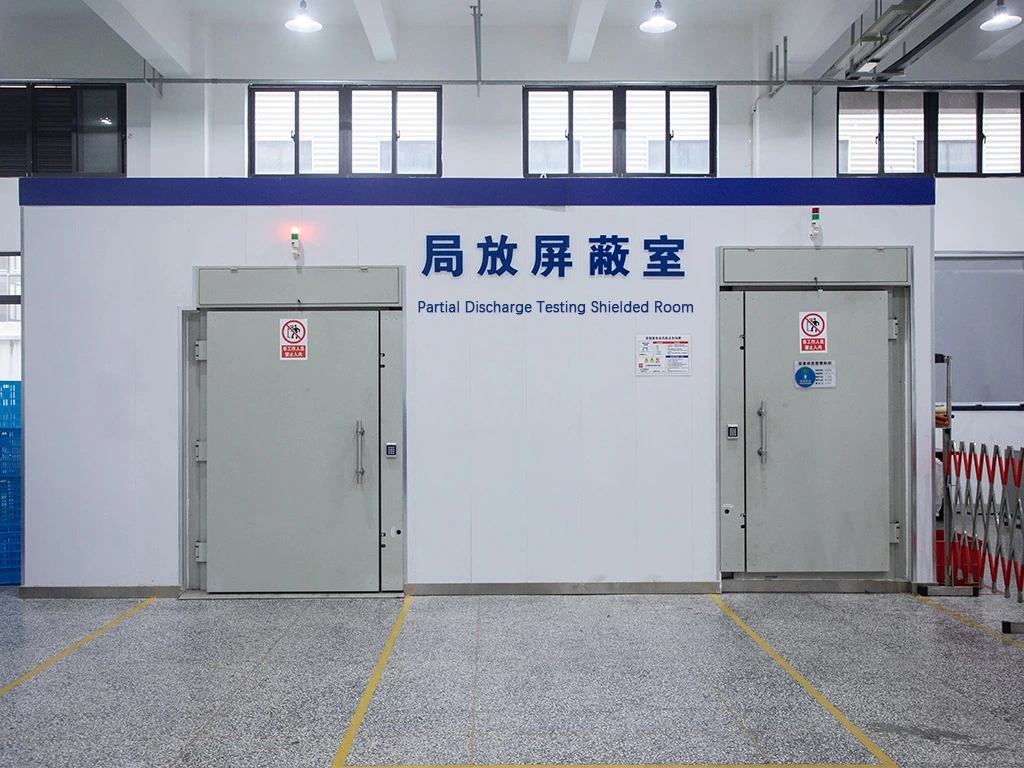
Partial Discharge Test

Partial Discharge Test

Insulation Defect Detection: Identifying potential hazards introduced during the manufacturing process.

Examples:

Internal Voids/Bubbles: Caused by poor casting or impregnation processes.

Internal Impurities in Insulation: Contamination by conductive particles or foreign matter.

Sharp Burrs: Uneven conductor surface leading to concentrated electric field.

Poor Contact: Poor contact at the shielding layer or connection points.
Insulation Testing

Insulation Testing

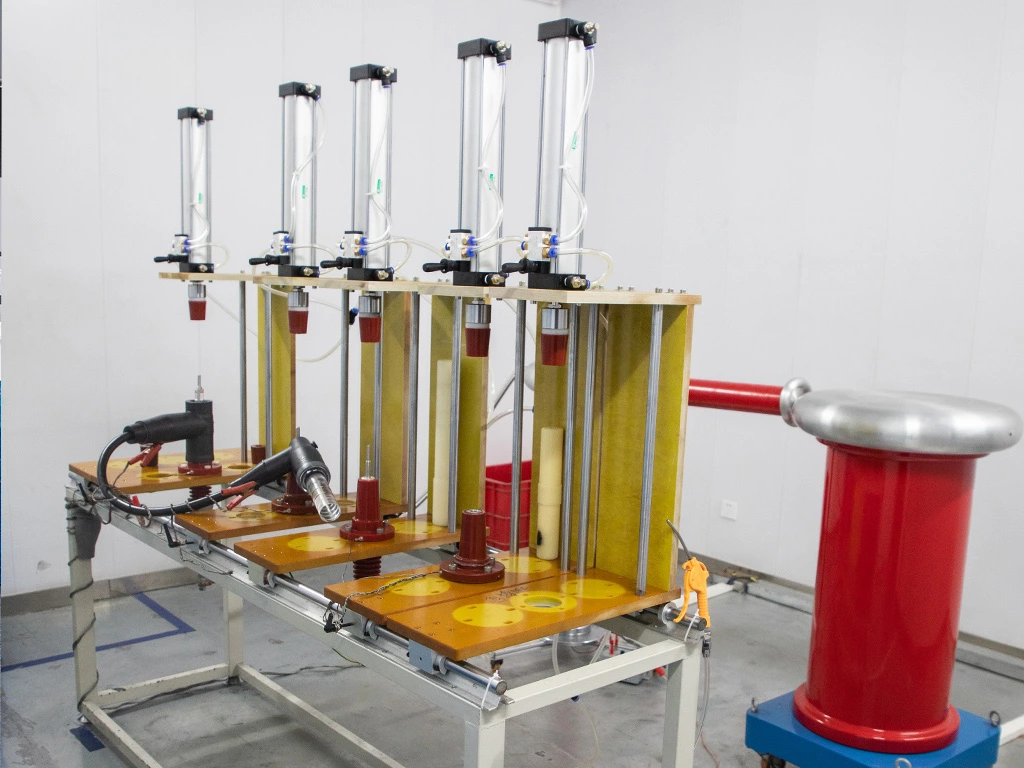
Objective: To detect and quantify minute discharge defects inside or on the surface of insulation under voltage. These defects will not cause breakdown in the short term, but will degrade the insulation in the long term and are potential hidden dangers.

Insulation resistance measurement

Power frequency withstand voltage test (core destructive test)

Partial discharge test (critical diagnostic test)

Dielectric loss factor measurement

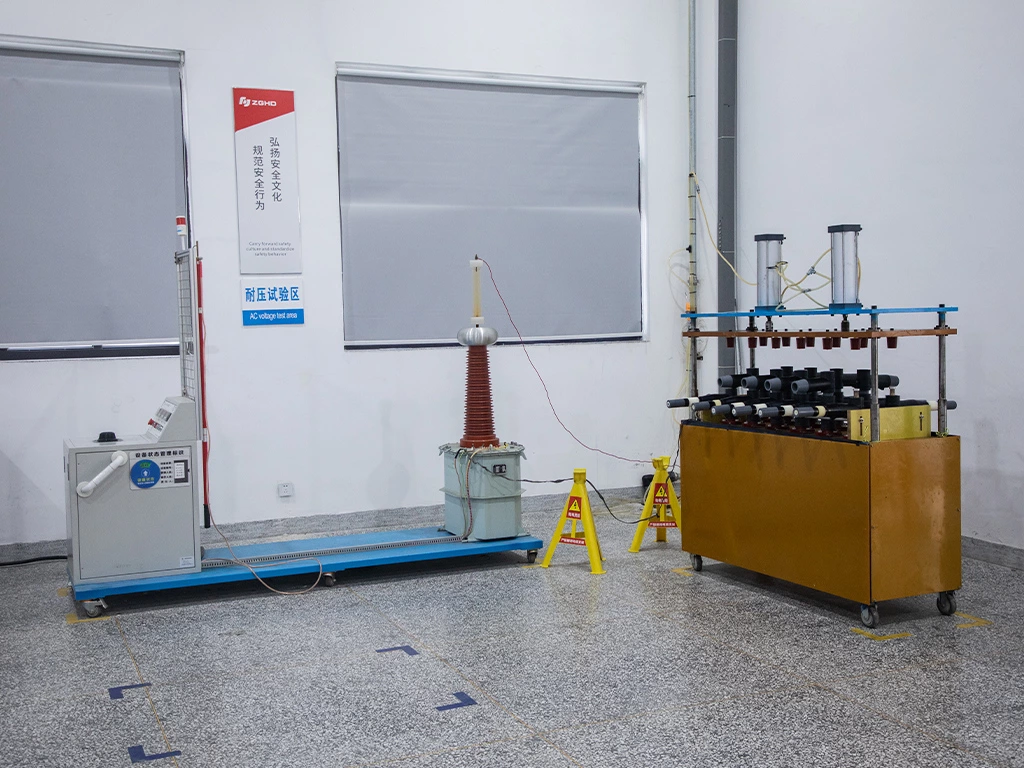
Withstand Voltage Test

Withstand Voltage Test

This is the most crucial, critical, and decisive test in insulation testing, and it's also a mandatory factory test item. It simulates extreme overvoltage conditions that a product might encounter during operation, verifying insulation strength in the most stringent way.

Content: Applying a test voltage far exceeding the rated operating voltage to the insulation of the product and maintaining it for a specified time, observing whether the insulation breaks down.

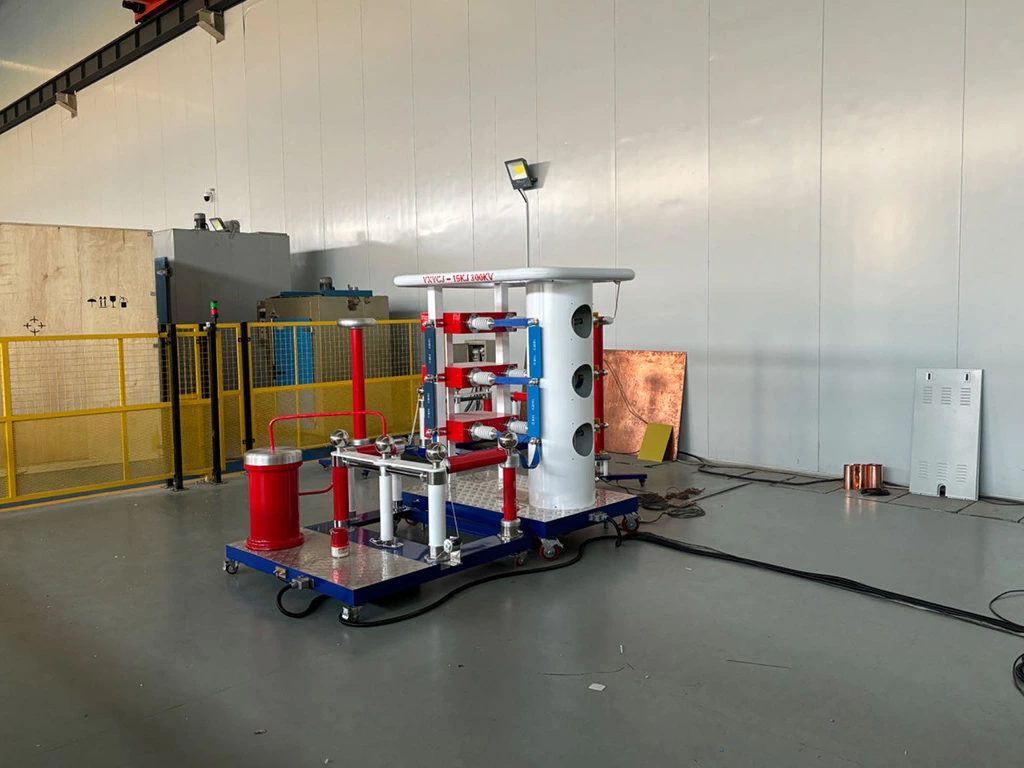
Lightning Impulse Withstand Voltage Test

Lightning Impulse Withstand Voltage Test

Lightning impulse withstand voltage test is a simulation test that examines the electrical strength and reliability of a product's insulation system under lightning overvoltage or operational overvoltage within a power system. It involves applying a standardized, extremely short-duration (microseconds), high-voltage impulse voltage wave to the product's insulation system to test the insulation's ability to withstand transient overvoltages.

Laboratory

Laboratory

The establishment of the testing laboratory marks a shift in the factory's approach from simply relying on external testing to proactively controlling the lifeline of product performance and quality. Its core purpose is to ensure the absolute reliability of products leaving the factory, their compliance with standards, and their ability to meet specific customer needs.

This site uses cookies

We use cookies to collect information about how you use this site. We use this information to make the website work as well as possible and improve our services.more details