Physical Alignment Mechanics In Separable Connectors For Subsea Mating
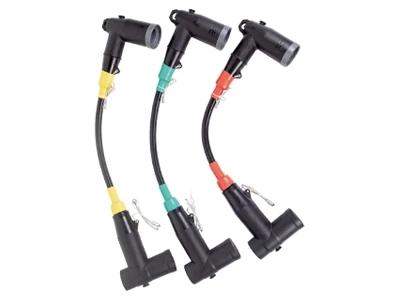
Offshore electrical installations require precise mechanical interface engagement under zero-visibility subsea conditions. Separable Connectors rely on geometric shell features—such as chamfered lead-ins, tapered housing profiles, and external alignment slots—to self-correct angular misalignment prior to contact pin insertion. This physical orientation system channels insertion force, preventing pin deformation and dielectric damage during subsea inter-array cable connections.
Mechanical Self-Alignment Features in Subsea Environments
Housing Geometries That Prevent Contact Damage
Subsea blind-mating demands robust outer shells capable of absorbing high hydrodynamic forces. Screened separable connectors incorporate hardened outer shields with angled entry channels. These mechanical contours enforce linear tracking as male and female halves converge.
-
Tapered Entry Shells: Funnel components into coaxial alignment before internal electrical contact occurs.
-
Orientation Slots: Prevent rotational offset during blind subsea deployment.
-
Mechanical Latching Rings: Secure the housing interface against wave-induced vibration.
Load Distribution During Blind-Mating
Rough sea states generate severe axial and shear loads during subsea cable coupling. Separable insulated connectors manage these forces through transferring mechanical stress away from internal conductor pins onto the reinforced external housing.
-
Primary Shell Wall: Absorbs direct mechanical impact during initial alignment contact.
-
Secondary Internal Stops: Limit total insertion depth, preventing over-compression of elastomeric seals.
-
External Locking Pins: Lock the physical assembly firmly against surrounding hydrostatic pressures.
Structural Alignment Comparison in High-Stress Applications
| Shell Feature | Mechanical Function | Subsea Performance Benefit |
|---|---|---|
| Chamfered Outer Lip | Corrects initial angular tilt | Prevents pin bending |
| Longitudinal Ribs | Prevents axial rotation | Maintains phase alignment |
| Reinforced Locking Sleeve | Secures housing closure | Resists hydrostatic pressure |
Ensuring Interface Integrity Under Subsea Pressure
Robust mechanical alignment directly impacts electrical insulation performance. Proper physical orientation guarantees concentric compression of silicone insulation sleeves, eliminating air gaps where partial discharge occurs. Incorporating pre-engineered guidance tracks inside the outer shell ensures continuous power delivery across offshore power distribution networks without requiring visual monitoring during subsea installation.