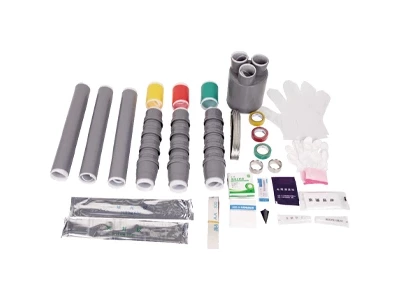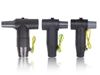
Cold Shrink Cable Fittings Are A Type Of High-performance Cable Protection Device
Cold shrink cable accessories provide robust protection for electrical connections in demanding environments. These pre-stretched components expand over cables and contract automatically when the inner core is removed. This technology ensures a constant radial pressure, creating a moisture-proof seal that safeguards critical infrastructure against environmental hazards and mechanical stress.
Advantages of cold shrink insulation
Reliable Moisture Sealing
Electrical systems require continuous defense against water ingress and humidity. A silicone cold shrink tube forms a tight, active seal around joints and terminations without requiring specialized heating tools or torches. This constant compression adapts to the natural expansion and contraction of cables during thermal cycling, preventing moisture gaps.
Efficient Installation Processes
Standard heat-activated methods demand open flames, creating safety risks in hazardous areas. Utilizing a cold shrink wrap eliminates the need for hot work permits and speeds up assembly times. Technicians simply position the sleeve and pull the plastic rip-cord, reducing human error during critical installations.
Technical Specifications and Application Limits
The selection of appropriate materials depends on specific voltage ratings and environmental exposures. The following data assists technical teams in evaluating standard performance criteria for these sealing systems:
| Characteristic | Material Standard | Performance Metric |
|---|---|---|
| Dielectric Strength | Silicone Rubber | 20 kV/mm |
| Temperature Range | Continuous Operation | -60°C to 200°C |
| Tensile Strength | ASTM D412 | 8.5 MPa |
| Tracking Resistance | IEC 60587 | Class 1A 4.5 kV |
Field Installation Guidelines
-
Cable Preparation: Clean the outer jacket thoroughly and remove any sharp burrs or metallic particles from the cut edges.
-
Sleeve Positioning: Slide the silicone shrink tubing over the prepared cable end before finalizing the connector splice.
-
Core Removal: Align the assembly over the joint and unwind the plastic core counter-clockwise to initiate the shrinking process.
-
Final Inspection: Verify that the cold shrink grip is fully seated and exerts uniform pressure across the entire connection area.
Common Troubleshooting Solutions
Addressing Uneven Shrinkage
If the internal core is pulled too quickly, the sleeve may misalign. Technicians should maintain steady, continuous tension on the cord during extraction to ensure even distribution.
Managing Diameter Mismatches
Using components outside the specified application range compromises the seal. Always verify that the minimum cable diameter exceeds the fully shrunk dimensions of the selected product.