Selection Of Housing Material For Push-in Terminal Blocks In High-temperature Environments
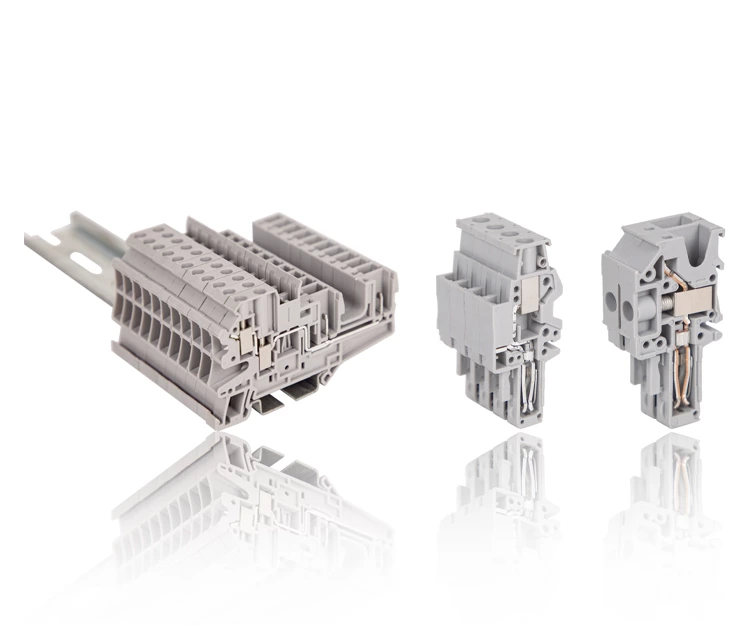
Selecting the correct components ensures long-term system reliability. In high-temperature industrial environments, standard electrical connectors can degrade quickly. Choosing the appropriate housing material for a push-in terminal block mitigates common risks like thermal cracking, mechanical deformation, and electrical failure.
Material performance factors of high temperature connectors
When evaluating a push in type terminal block for elevated temperatures, specific material properties determine overall durability. Industrial applications often subject components to continuous heat, making thermal stability critical.
Thermal Resistance Ratings
Engineers must verify the Continuous Use Temperature (CUT) and Underwriters Laboratories (UL) relative thermal index. Quality push fit din rail terminals use materials rated for at least 105°C to 125°C to prevent long-term degradation.
Mechanical Integrity and Flame Retardancy
Housing materials must retain structural rigidity under thermal stress to maintain constant spring contact pressure. Look for components with a UL 94 V-0 flame retardancy rating to prevent fire propagation during accidental overcurrent events.
Recommended Housing Materials for Reliable Operations
To help technical teams prevent operational failures, here is a breakdown of top-performing housing materials for demanding thermal environments:
-
Polyamide 6.6 (Nylon 66): This is the industry standard for general industrial use. It offers a solid continuous operating temperature up to 125°C, good elasticity, and excellent chemical resistance.
-
Polyphthalamide (PPA): Ideal for extreme conditions, PPA handles continuous temperatures up to 150°C. It maintains superior dimensional stability and mechanical strength when exposed to moisture and heat.
-
Liquid Crystal Polymer (LCP): Used in specialized high-heat scenarios, LCP withstands temperatures exceeding 200°C. It provides exceptional flow properties for intricate connector designs and maintains strict tolerances.
Correct material selection to reduce operational risks
Implementing the right material directly addresses practical field issues. For instance, replacing standard nylon with high-temperature PPA in a 140°C control panel prevents the push fit terminal block housing from softening, which eliminates intermittent signal loss and costly downtime.