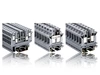
Why Separable Connectors Deliver Reliable Locking And Secure Performance In Electrical Systems
What Are Separable Connectors and Why Reliability Matters
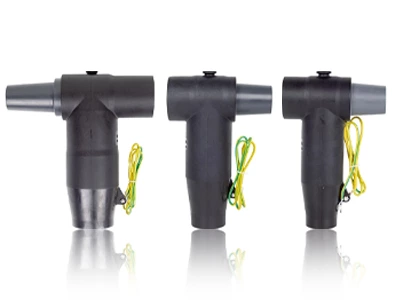
In modern electrical distribution systems, Separable Connectors are essential components that allow technicians to plug and unplug medium‑voltage cables quickly and safely while maintaining continuous system performance. These connectors provide a modular alternative to permanent terminations by allowing repeated connection and disconnection without compromising electrical integrity.
A key reason these products are trusted in power networks is their engineered locking mechanisms, insulation stability, and screened designs that support reliable long‑term performance under mechanical stress and environmental exposure.
Core Design Features That Ensure Secure Locking
Separable connectors achieve trustworthy locking and connection security through the following engineered features:
Precision Contact Engagement
When a separable connector mates, metal contacts or spring elements engage with exact alignment that provides consistent low resistance and prevents loosening due to vibration or load cycling.
Robust Mechanical Locking Mechanisms
Many separable connectors include bayonet latches, threaded couplings, or snap locks that physically secure the interface. These devices resist accidental breakage and keep contact pressure consistent over many connect/disconnect cycles.
Insulated Structure for Electrical Stability
Separable insulated connectors often employ silicone or EPDM rubber housings that protect against partial discharge, dielectric breakdown, and moisture ingress — all factors that can undermine connection reliability.
Featured: The locking reliability of separable connectors comes from engineered contact engagement, precise mechanical latches, and high‑performance insulation materials that together maintain electrical continuity and prevent accidental disconnects during service.
Screened Designs and Safety Advantages
Screened separable connectors incorporate a conductive outer layer tied to earth that shields live parts and ensures touch safety even in energized systems. This screened design is especially important in outdoor and underground installations to protect workers and equipment.
| Key Feature | Benefit |
|---|---|
| Conductive screen | Touch protection and reduced electrical hazards |
| EPDM/silicone insulation | High dielectric strength and environmental resistance |
| Mechanical lock | Prevents vibration‑induced separation |
Typical Applications and Practical Performance
Separable connectors are widely used in switchgear, transformers, ring main units, and other medium‑voltage infrastructure where secure, modular connections are needed. Their repeatable locking stability supports maintenance workflows and grid reliability.
For example, screened separable connectors up to 24 kV can handle continuous currents while providing integrated sealing and optional voltage detection points for enhanced operational feedback.
Choosing the Right Connector for Reliability
When selecting separable connectors, consider the application environment, voltage class, and whether a screened or insulated design is needed. Proper installation, torque application, and cable preparation further enhance the locked connection’s performance in the field.
By combining robust mechanical locking, screened protection, and quality insulation, separable connectors deliver the reliable locking and secure electrical performance required in professional power distribution systems.