Constant Contact Pressure In Push-in Terminal Blocks: Engineering Principles
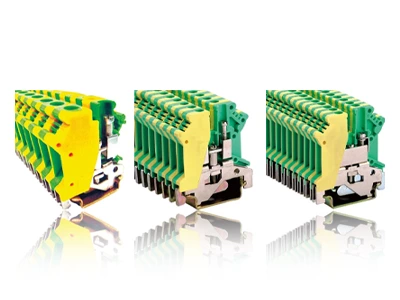
Push in type terminal block has revolutionized electrical connectivity by simplifying the installation process while ensuring long-term reliability. A primary concern for technical professionals involves how a push-in type terminal block maintains consistent contact pressure without manual tightening. This stability originates from advanced spring mechanisms designed to counteract thermal expansion and vibration.
Mechanics of the Stainless Steel Cranking Spring
The heart of a push-in terminal block is the high-tension leg spring, typically manufactured from premium stainless steel. When a conductor enters the port, it deflects the spring, which then exerts a calculated counter-force against the copper current bar. This mechanical energy provides the continuous pressure necessary for a gas-tight connection.
Core Components of Pressure Generation
-
High-Elasticity Spring: Utilizes pre-stressed steel to provide immediate clamping force upon insertion.
-
Copper Current Bar: Acts as the stationary contact point, often tin-plated to reduce resistance.
-
Angled Contact Surface: The internal geometry ensures that pull-out forces actually increase the gripping strength of the spring.
-
Automatic Compensation: The spring naturally adjusts its position to accommodate wire settling or temperature-induced material shifts.
Why Contact Force Remains Constant Over Time
Unlike traditional screw terminals that may loosen due to "creep" or thermal cycling, push fit din rail terminals utilize dynamic tension. The spring material possesses a high fatigue limit, allowing it to maintain the same Newtons of force for decades. This eliminates the need for periodic maintenance or re-torquing in industrial environments.
Impact of Material Science on Connectivity
The reliability of a push fit terminal block depends on the interaction between different alloys. The separation of the electrical function and the mechanical function is key. While copper handles the current, the steel spring handles the pressure. This prevents the "cold flow" of copper from weakening the connection over time.
-
Initial Insertion: The force required to push the wire is minimized through optimized entry angles.
-
Permanent Tension: Once seated, the spring locks the conductor against the busbar.
-
Environmental Shielding: The high pressure creates a microscopic seal, preventing oxidation at the contact point.
-
Universal Compatibility: These units support solid, stranded, and ferruled wires across various gauges.