Mechanical Connection Mechanisms Of Separable Connectors
Separable connectors establish reliable mechanical and electrical links through a precision-engineered interface. These components allow for the connection and disconnection of high-voltage cables to switchgear or transformers without permanent splicing. The integrity of the mechanical bond ensures long-term operational stability in power distribution networks.
Technical Fundamentals of Separable Insulated Connectors
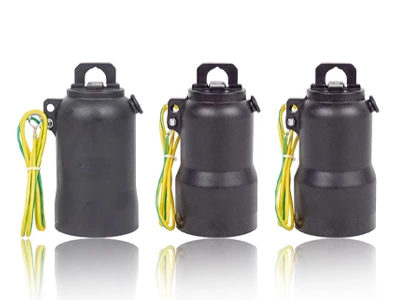
Separable insulated connectors utilize high-quality EPDM rubber or silicone to provide a fully shielded and submersible interface. The mechanical connection begins with the internal compression lug, which secures the conductor. Once the lug is threaded onto the equipment bushing, the outer housing is pushed into place, creating a moisture-proof seal through interference fits.
Components of a Secure Interface
-
Conductive Insert: Manages electrical stress and ensures contact continuity.
-
Insulation Layer: High-dielectric material prevents flashovers and voltage leakage.
-
Compression Lug: Provides the primary physical grip on the cable conductor.
-
Hexagon Bolts: Fasten the connector to the bushing with specific torque requirements.
How Screened Separable Connectors Maintain Physical Integrity
Screened separable connectors incorporate a conductive outer jacket that is grounded to maintain zero potential on the surface. The mechanical connection is reinforced by the threaded stud system, which translates rotational force into axial pressure. This pressure maintains constant contact between the connector interface and the equipment bushing, even during thermal expansion cycles.
Step-by-Step Mechanical Assembly Process
-
Cable Preparation: Strip the insulation to precise dimensions using dedicated tools.
-
Lug Installation: Crimp the lug onto the conductor to establish a permanent physical bond.
-
Lubrication: Apply silicone grease to reduce friction during the insertion of the connector body.
-
Bushing Attachment: Thread the connector onto the apparatus bushing until the specified 25 Newton-meters of torque is reached.
-
Grounding: Attach the drainage wire to ensure the screen remains at ground potential.
Operational Reliability and Stress Management
The mechanical stability of separable connectors prevents physical displacement caused by short-circuit forces. By utilizing a bolted T-body or elbow design, these systems distribute mechanical stress evenly across the interface. Regular inspection of the torque levels and the integrity of the EPDM housing ensures the system survives harsh environmental conditions for over 30 years.
Maintenance Factors
Maintaining a mechanical connection requires attention to environmental sealing and vibration resistance. If the interface is not correctly seated, partial discharge may occur, leading to insulation failure. Utilizing specialized test points on the connector allows technicians to verify voltage presence without disrupting the physical mechanical bond, ensuring both safety and efficiency in the field.