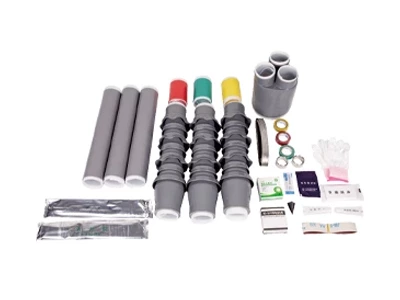
Superior Sealing Performance of Cold Shrink Cable Accessories in Power Distribution
Cold shrink technology has revolutionized how we protect electrical connections. Unlike traditional heat-applied methods, these components leverage the natural memory of silicone or EPDM rubber to create a permanent, pressure-driven seal. When the inner plastic core is removed, the material collapses onto the cable, forming a moisture-proof barrier that adjusts to thermal expansion and contraction over time. This dynamic response ensures long-term reliability in even the harshest environments.
Technical Advantages of Cold Shrinkable Cable Joints
The engineering behind cold shrinkable cable joints focuses on simplicity and physical integrity. Because no open flames or specialized heating tools are required, the risk of damaging the cable insulation is virtually eliminated. This makes them a preferred choice for high-voltage environments where precision is non-negotiable.
Physical Properties and Material Resilience
-
Constant radial pressure maintains the seal regardless of temperature cycling.
-
High resistance to UV radiation, chemicals, and ozone.
-
Excellent track resistance for outdoor applications.
-
Simplified installation reduces the margin for human error.
Comparison of Cable Protection Methods
| Feature | Cold Shrink Method | Heat Shrink Method |
|---|---|---|
| Installation Time | 3-5 Minutes | 10-15 Minutes |
| Tooling Needed | None | Propane Torch/Heat Gun |
| Safety Profile | High (No Fire) | Moderate (Fire Risk) |
| Flexibility | High | Low |
Optimizing Performance with Cold Shrinkable Termination
Proper cable management involves more than just covering a wire. Using a high-quality cold shrinkable termination ensures that the transition point between the cable and the equipment stays dry and secure. These terminations are designed to handle electrical stress grading effectively, which prevents partial discharge and extends the lifespan of the entire electrical grid.
-
Inspect the cable surface for any nicks or debris.
-
Position the assembly over the prepared cable end.
-
Unwind the inner spiral core slowly to initiate the shrink process.
-
Verify that the edges are seated firmly against the jacket.
Procurement Considerations and Cold Shrinkable Joint Utility
When planning a project, the cold shrink tube price often reflects the quality of the polymer used and the tension strength of the pre-stretched material. While initial costs might be higher than tape-based solutions, the reduction in labor hours and maintenance makes a cold shrinkable joint a more cost-effective investment for industrial infrastructure.
Whether you are working on underground distribution or overhead lines, the active sealing power of these accessories provides peace of mind. By choosing the right size and material grade, technicians can guarantee a professional finish that stands up to 20 or 30 years of continuous service.