High-performance Spring Mechanism In Push-in Terminal Blocks
The structural integrity of electrical connections relies heavily on the internal pressure mechanism. Modern push-in terminal blocks utilize advanced spring technology to ensure long-term stability. By analyzing the internal architecture, engineers can better appreciate how these components maintain constant contact force without manual intervention or periodic re-tightening.
Efficient Connection Engineering
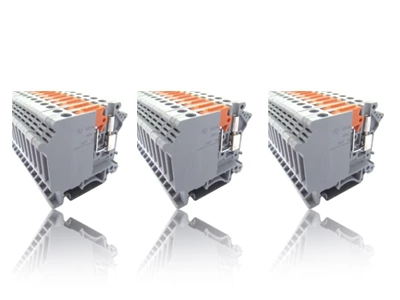
A push-in type terminal block eliminates the need for specialized tools during installation. The core component is a high-grade stainless steel spring that compresses when a solid or ferruled conductor is inserted. This design creates a reliable gas-tight connection that resists vibration and thermal expansion, which are common causes of failure in traditional screw systems.
Internal Spring Performance and Material Science
The performance of push fit din rail terminals is determined by the elastic modulus of the internal spring. High-performance alloys are selected to provide maximum clamping force while occupying minimal space.
-
Stainless Steel Springs: Provide high corrosion resistance and consistent tension over decades.
-
Copper Contact Rails: Ensure optimal electrical conductivity with low transition resistance.
-
Insulation Housing: High-strength Polyamide 6.6 prevents current leakage and withstands impact.
Precision Design for Technical Environments
When integrating a push fit terminal block into an industrial control panel, the space-saving benefits are immediate. The vertical or angled entry points allow for higher wiring density. Each terminal is tested to withstand pull-out forces exceeding standard safety requirements, ensuring that cables remain secure even in high-vibration machinery.
Functional Advantages of Modern Terminal Architecture
The internal mechanics of a push-in type terminal block offer distinct advantages for large-scale electrical deployments:
-
Speed of Assembly: Reduces wiring time by up to 50% compared to screw-clamp alternatives.
-
Maintenance-Free: The constant pressure of the spring compensates for wire settling or temperature fluctuations.
-
Visual Safety: Most designs include a distinct actuator color to separate the wire entry from the release mechanism.
Safety and Reliability Standards
Reliability in complex circuits starts at the connection point. Using push in type terminal block ensures that every wire is subjected to the exact same clamping force, removing the risk of human error associated with varying torque levels. This consistency is vital for maintaining the electrical life of the system and preventing localized overheating in distribution boards.