How To Ensure That Separable Connectors Establish A Stable Separation Interface In Harsh Environments?
To ensure separable connectors maintain a stable interface in severe conditions, standard protocols mandate following these exact procedural steps:
-
Verify accurate alignment systematically during the initial mechanical installation phase.
-
Apply specified dielectric grease to effectively prevent heavy moisture ingress.
-
Secure all locking mechanisms to guarantee integrity against high-vibration stress.
Challenges Under Harsh Conditions
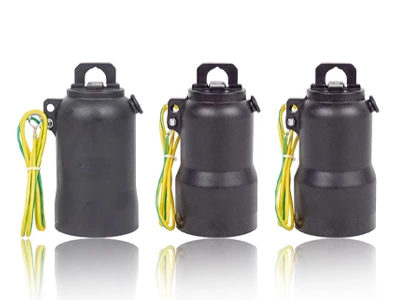
Extreme temperature fluctuations and heavy moisture directly threaten high-voltage electrical grid reliability. When deploying screened separable connectors in flooded underground vaults or coastal substations, thermal cycling often causes rapid material expansion. This uncontrolled movement compromises the crucial seal, leading to partial discharge or immediate failure at operational voltages up to 36kV.
Essential Installation Protocols
Precision during the assembly process strictly dictates long-term electrical performance. Any microscopic contamination on the mating surfaces degrades dielectric strength almost immediately. Strict guidelines require thoroughly cleaning the epoxy bushing and the inner housing using approved non-linting solvents before attempting connection. A flawless interface effectively prevents tracking and dangerous electrical breakdown.
Mechanical and Electrical Verification
Applying exact torque specifications during the fastening phase remains entirely non-negotiable for system safety. Overtightening damages the primary metallic stud, while undertightening leaves hazardous micro-gaps. Utilizing separable insulated connectors requires confirming the capacitive test point reads zero voltage prior to final seating. Establishing a baseline resistance check prevents future thermal runaway.
Environmental Sealing Techniques
Secondary environmental barriers always provide an essential safety net for long-term physical deployments. Applying robust cold shrink tubing over the grounded base permanently stops extreme water intrusion, successfully meeting strict IP68 requirements. Regular visual inspections of the grounding eye ensure the separable connectors remain perfectly shielded from harsh debris and corrosive chemical exposure.