What Is The Role Of Insulating Housings In Push Fit Din Rail Terminals?
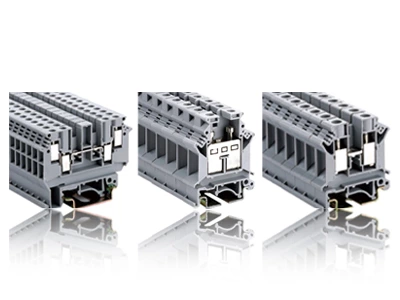
Selecting the right push fit din rail terminals involves analyzing the protective housing rather than just the internal springs. In high-density electrical enclosures, the insulating shell serves as the primary defense against catastrophic short circuits, arc flashes, and unexpected system downtime.
Core Functions of Terminal Block Insulation
The structural outer shell of a push fit terminal block does far more than cover copper connections. It actively isolates electrical currents while maintaining structural integrity under physical duress.
Electrical Isolation and Worker Safety
High dielectric strength prevents voltage leakage between closely packed circuits. The housing material stops current from jumping to adjacent pathways, protecting technicians from accidental shock during routine system maintenance.
Mechanical Stability and Vibration Resistance
Industrial machinery generates constant micro-vibrations that degrade weak connections. A robust push in type terminal block housing absorbs this physical stress, keeping the internal tension clamps perfectly aligned to eliminate intermittent signals.
Technical Specifications of Housing Materials
Engineering reliable panels requires materials that withstand harsh environments. The data below outlines the baseline performance metrics required for standard industrial deployments:
| Material Property | Standard Rating | Operational Benefit |
|---|---|---|
| Flammability Rating | UL 94 V-0 | Stops burning within 10 seconds on vertical specimens |
| Temperature Range | -60°C to +130°C | Maintains structural form during extreme thermal spikes |
| Dielectric Strength | 600V Continuous | Eliminates risk of tracking or arc flashover between loops |
Environmental Defense and Thermal Management
Dust, moisture, and chemical exposure threaten electrical infrastructure daily. Precision-molded housings seal out these hazardous contaminants to protect the internal contact points.
Preventing Surface Tracking
Moisture accumulation creates conductive paths across plastic surfaces. Polyamide materials have high resistance to electrical tracking, which can prevent short circuits in damp processing plants or outdoor control boxes.
Optimizing Cabinet Heat Dissipation
Densely packed control panels generate localized thermal loads. Engineered housing geometries allow passive airflow around each push fit din rail terminals unit, preventing heat buildup and securing the continuous uptime of the entire automation system.