Mechanical Locking Types In Separable Connectors: A Locking Guide
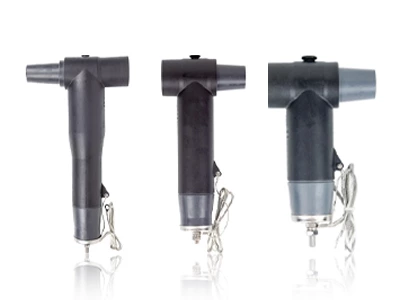
Separable connectors join high-voltage equipment safely, but performance relies entirely on physical engagement. Beyond push-and-pull actions, exact locking and release mechanisms govern stability under thermal stress and vibration.
| Locking Style | Primary Mechanism | Primary Application |
|---|---|---|
| Threaded Stud | Bolted torque compression | Switchgear & Transformers |
| Bayonet Twist | Pin-and-groove latching | Compact Substations |
| Friction Cam | Tapered interface fit | Cable-to-Cable Joints |
Threaded Bolt-On Systems
Threaded separable connectors rely on precise mechanical torque to secure internal contacts. Technicians tighten metallic studs using calibrated torque wrenches, forcing internal conducting surfaces into uniform contact. This continuous pressure prevents loosening during severe load cycles and thermal expansion.
Quick-Lock Bayonet Mechanisms
Bayonet mechanisms operate via rotational pin-and-slot engagement. Pushing the body forward and applying a quarter-turn locks the housing instantly without specialized tools. Internal detents deliver tactile feedback, ensuring complete engagement before energizing.
Spring-Assisted Release Options
To speed up maintenance, spring-assisted bayonets store mechanical energy during insertion. Releasing the outer collar ejects the interface smoothly, eliminating manual pulling forces.
Friction-Fit Tapered Interfaces
Screened separable connectors frequently utilize interference fit tapered profiles. As assembly tools press outer housings together, elastomeric walls deform slightly against rigid bushings. This mechanical interference maintains constant pressure across conductive layers, ensuring reliable dielectric insulation over decades.
Compression Ring Assemblies
Separable insulated connectors complement tapered fits with external clamping rings. Tightening ring bolts compresses outer shields uniformly, sealing moisture out while maintaining continuous ground continuity across high-stress zones.