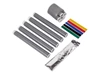
Modern Home Wiring Is Shifting Towards The Use Of Push-in Din Rail Terminals
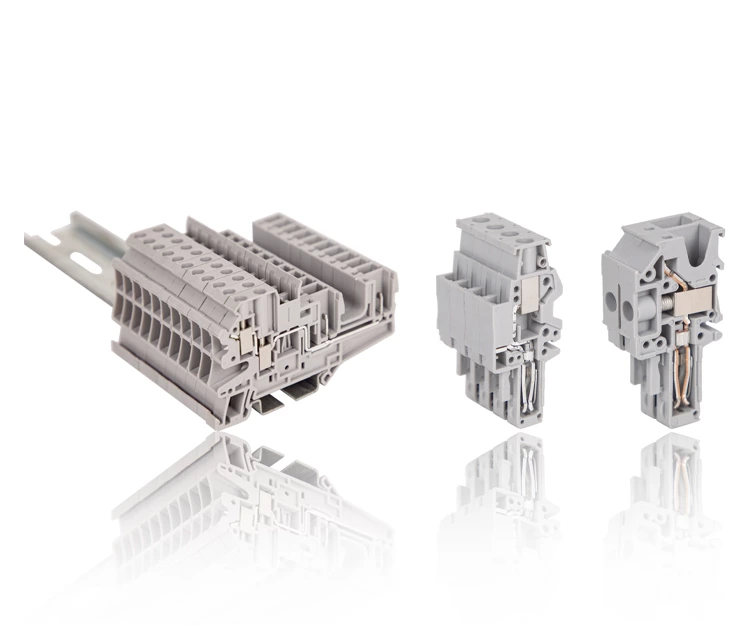
The days of wrestling with bulky screw terminals in cramped residential electrical panels are fading. Home power distribution demands faster, safer, and more compact solutions. Integrating a modern push fit terminal block into consumer units drastically cuts down installation times while maximizing panel organization. This shift ensures households benefit from resilient, maintenance-free electrical hubs capable of supporting smart automation.
Solving the Loose Connection Dilemma in Domestic Panels
Temperature changes in a house cause copper wires to expand and contract continually. Traditional screw-down connectors require manual retightening to prevent arcing. Switching to a push in type terminal block solves this issue by applying permanent spring pressure to the conductor.
Push fit din rail terminals secure residential electrical wiring by utilizing a pre-tensioned spring mechanism that clamps conductors automatically upon insertion. This eliminates the need for manual screw tightening, ensures a vibration-proof connection, and reduces terminal resistance over time, making home electrical panels safer and completely maintenance-free.
Three Steps to a Toolless Connection
-
Strip: Remove exactly 10mm of wire insulation to expose the clean conductor.
-
Push: Insert the solid or ferruled wire directly into the terminal port.
-
Check: Observe the built-in optical window to confirm correct seating.
Comparing Terminal Performance in Residential Distribution
| Technical Factor | Manual Screw System | Spring-Loaded Push System |
|---|---|---|
| Installation Tooling | Slotted Screwdriver | No Tools Required (Solid Wire) |
| Connection Security | Variable (Torque Dependent) | Constant (Factory Calibrated) |
| Visual Inspection | Not Available | Built-in Test Slots Included |
Simplify Home Circuit Expansion
Modern homes constantly evolve with new EV chargers, heat pumps, and solar arrays. Using push fit din rail terminals allows for modular expansion without rewriting the entire distribution board. Dedicated test points can safely probe live circuits, making troubleshooting simple, clear, and efficient.