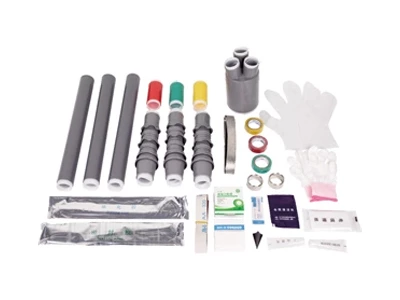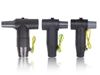
Silicone Rubber Hydrophobic Self-healing In Cold Shrink Cable Terminations
Hydrophobic self-healing refers to the ability of silicone rubber to recover its water-repellent properties after surface degradation. When electrical tracking or environmental stress damages the surface, low molecular weight siloxanes migrate outward. This migration restores hydrophobicity, ensuring reliable long-term insulation for cold shrink cable accessories in harsh environmental conditions.
Mechanisms of Surface Recovery
Polymer materials face constant exposure to moisture and electrical discharge. Silicone rubber actively combats these issues through a dynamic molecular transfer process. When a cold shrink cable joint experiences surface corona, the material temporarily loses water repellency. However, within hours, the protective layer rebuilds itself naturally without external human intervention.
Three Stages of Moisture Resistance
-
Initial Repellency: The inherent surface tension forces water droplets to bead up and roll off the silicone surface instantly.
-
Temporary Loss: Heavy pollution or localized discharge events temporarily degrade the topmost molecular layer of the insulation material.
-
Active Restoration: Siloxane chains diffuse outward to the damaged exterior, bringing back full electrical performance and water resistance.
Evaluating Material Performance Indicators
Routine maintenance often involves securing obsolete lines using a cable abandonment kit before installing new connections. During these transitions, maintaining a completely dry interface ensures system stability. Measuring the contact angle of water droplets provides a direct and accurate assessment method.
| Metric | Recovery Time | Measurement Tool | Target Value |
|---|---|---|---|
| Static Contact Angle | 24 Hours | Goniometer | > 100 Degrees |
| Surface Roughness | 48 Hours | Profilometer | < 0.5 Microns |
| Leakage Current | 12 Hours | Ammeter | < 1.0 mA |
Installation Scenarios and System Longevity
Choosing the right components significantly impacts grid reliability and safety. A properly installed cold shrink joint maintains its structural integrity and electrical sealing properties under varying thermal loads. The active recovery mechanism of the silicone elastomer prevents tracking and erosion, successfully extending the operational lifespan of the entire underground network.
Operational Advantages in the Field
-
Reduced Maintenance: The inherent material recovery process minimizes the need for frequent manual inspections in underground vaults.
-
Environmental Resilience: Consistent dielectric performance remains stable across extreme temperature fluctuations and heavy industrial pollution scenarios.
-
Installation Efficiency: Modern cold shrink cable accessories allow for faster, safer deployment compared to traditional heat-applied alternative methods.