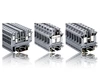
How Separable Connectors Establish Reliable Non-Permanent Power Connections?
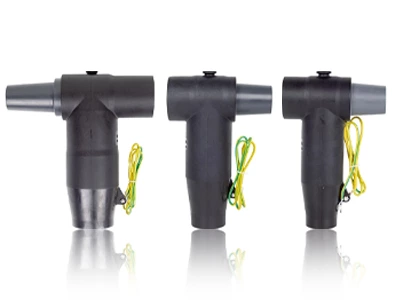
Modern electrical distribution systems require frequent maintenance, reconfigurations, and system upgrades. Achieving seamless service continuity relies heavily on components that allow circuits to be joined and separated without damaging the surrounding infrastructure. Separable connectors provide the mechanical and electrical interface necessary to create these temporary yet highly secure links across medium voltage grids.
The Friction Problem in Medium Voltage Systems
To maintain low electrical resistance, standard systems utilize high-pressure joints. However, frequent disconnections normally compromise these interfaces. Specialized engineering solves this by implementing an internal spring mechanism within a temporary housing. This hardware allows seamless engagement and separation, yet maintaining appropriate surface tension requires a deeper look into the shielding material.
Common Reconfiguration Failures
-
Interface tracking caused by improper mechanical alignment during manual insertion.
-
Moisture ingress due to regular thermal expansion within underground vaults.
-
Premature breakdown of internal dielectric fields from sub-surface pollution.
Surface Engineering and Field Control
High-voltage environments demand absolute field containment to eliminate flashovers. Utilizing screened separable connectors establishes a continuous conductive pathway that directs electrical stresses away from the outer boundaries. This specific architectural layer seals the assembly against potential tracking, effectively managing internal voltage stress while the system remains energized.
Beyond field control, environmental sealing determines long-term underground survivability. Separable insulated connectors utilize specialized elastomeric components that compress during mating to exclude external contaminants. This complex geometric seal maintains structural integrity under extreme conditions, though operational success depends heavily on a specific final preparation step.
Material Performance Metrics
| Material Section | Environmental Rating | Operational Lifespan |
|---|---|---|
| Contact Interface | Submersible Waterproof | High Cycle Durability |
| Insulation Body | High Thermal Resistance | Continuous Shielding |
| Field Control Layer | Anti-Tracking Certified | Permanent Ground Potential |
The Hidden Variable in Connection Longevity
Achieving a truly reliable non-permanent joint involves more than matching the correct components together. Air entrapment during assembly frequently causes partial discharge, silently destroying the rubber insulation over time. To discover the precise installation protocol that eliminates this risk and ensures smooth future separation, proper interface preparation must be completed.