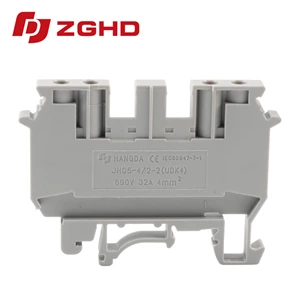
Why Screw Type Terminal Blocks Stay Tight: Inside The Self-locking Clamp Mechanism
- Type:
- Feed-through terminal block
- Nominal Voltage:
- 800 V
- Nominal Current:
- 76 A
- Number Of Connections:
- 2
- Number Of Positions:
- 1
- Connection Method:
- Screw connection
- Rated Cross Section:
- 16 mm²
- Cross Section:
- 2.5 mm² - 25 mm²
- Color:
- gray
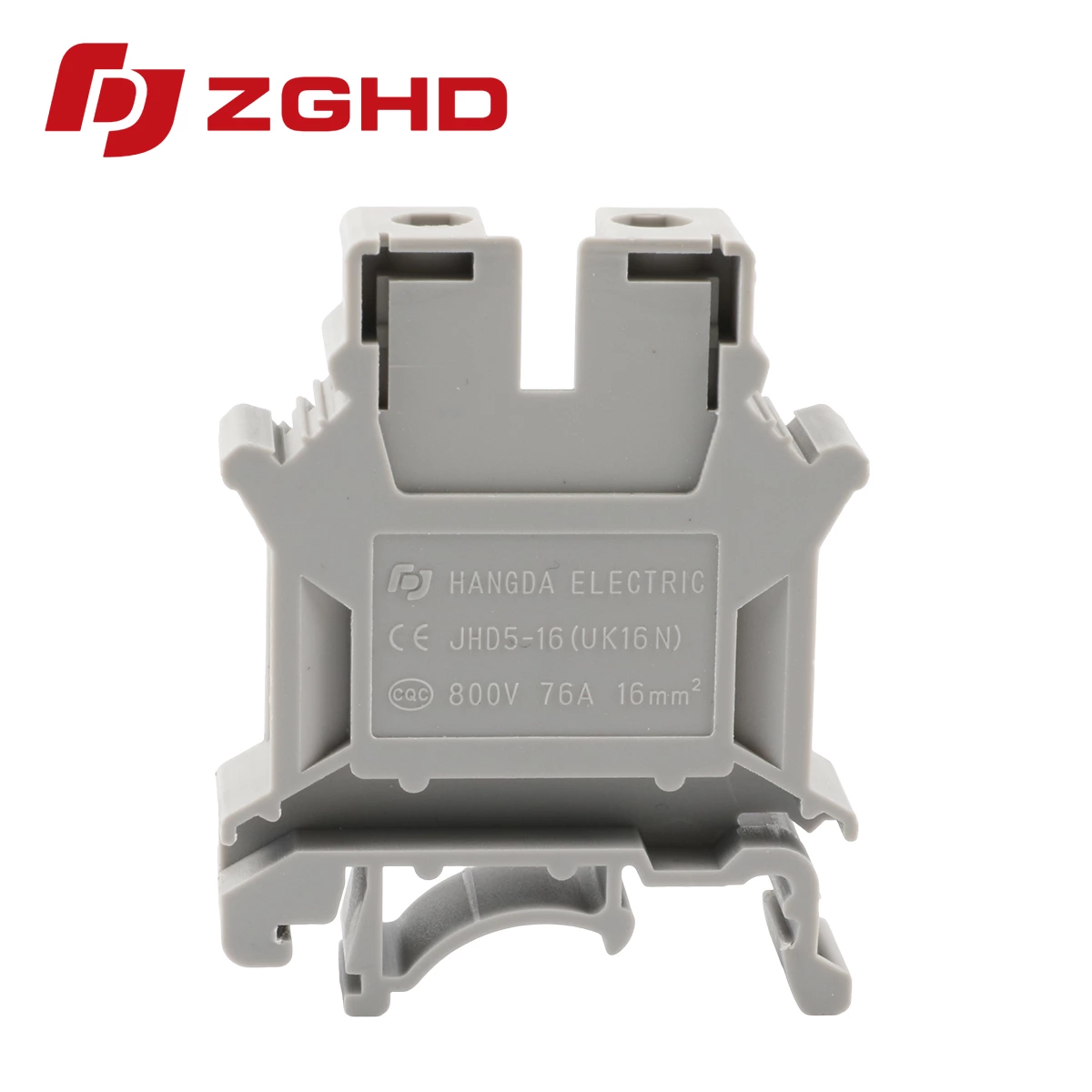
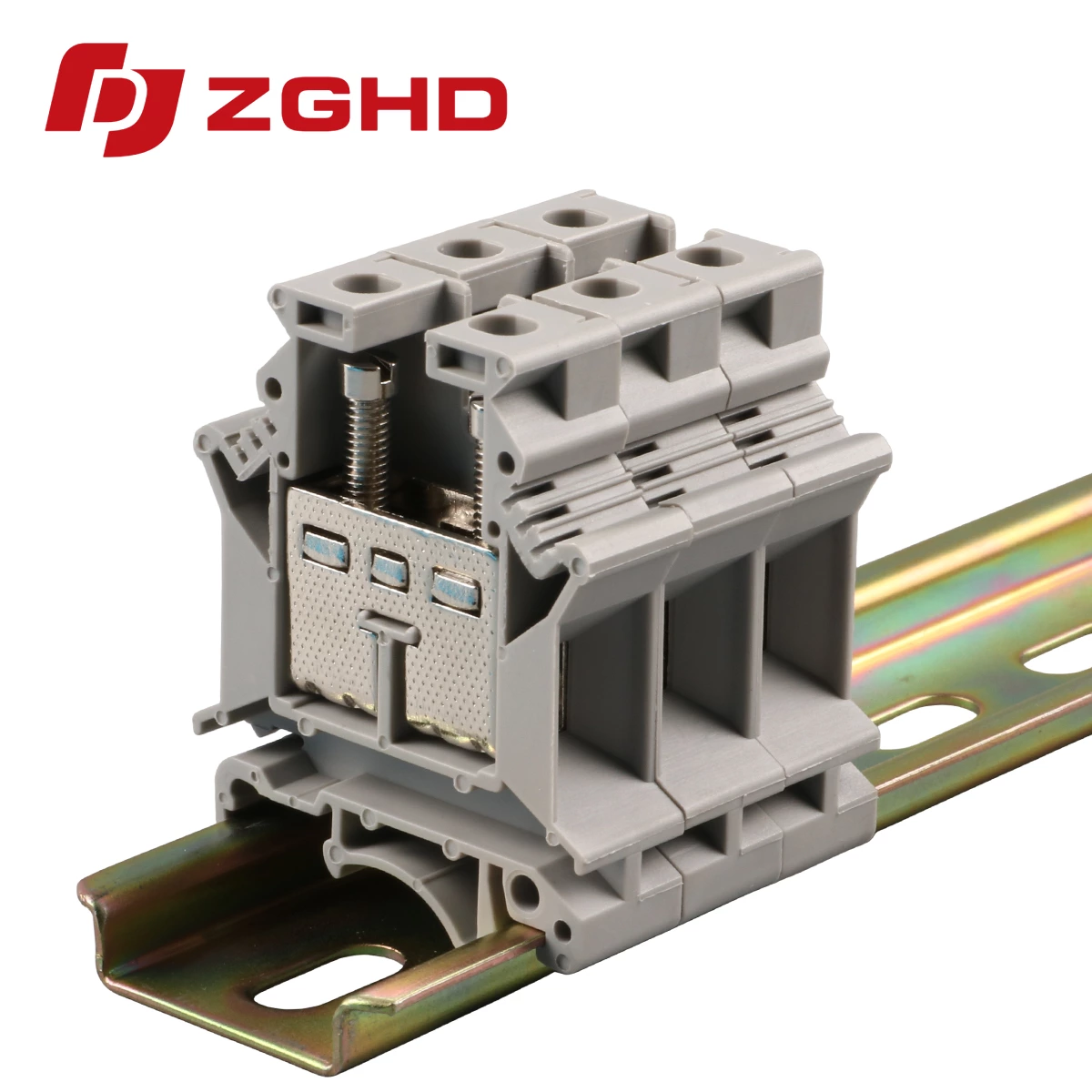
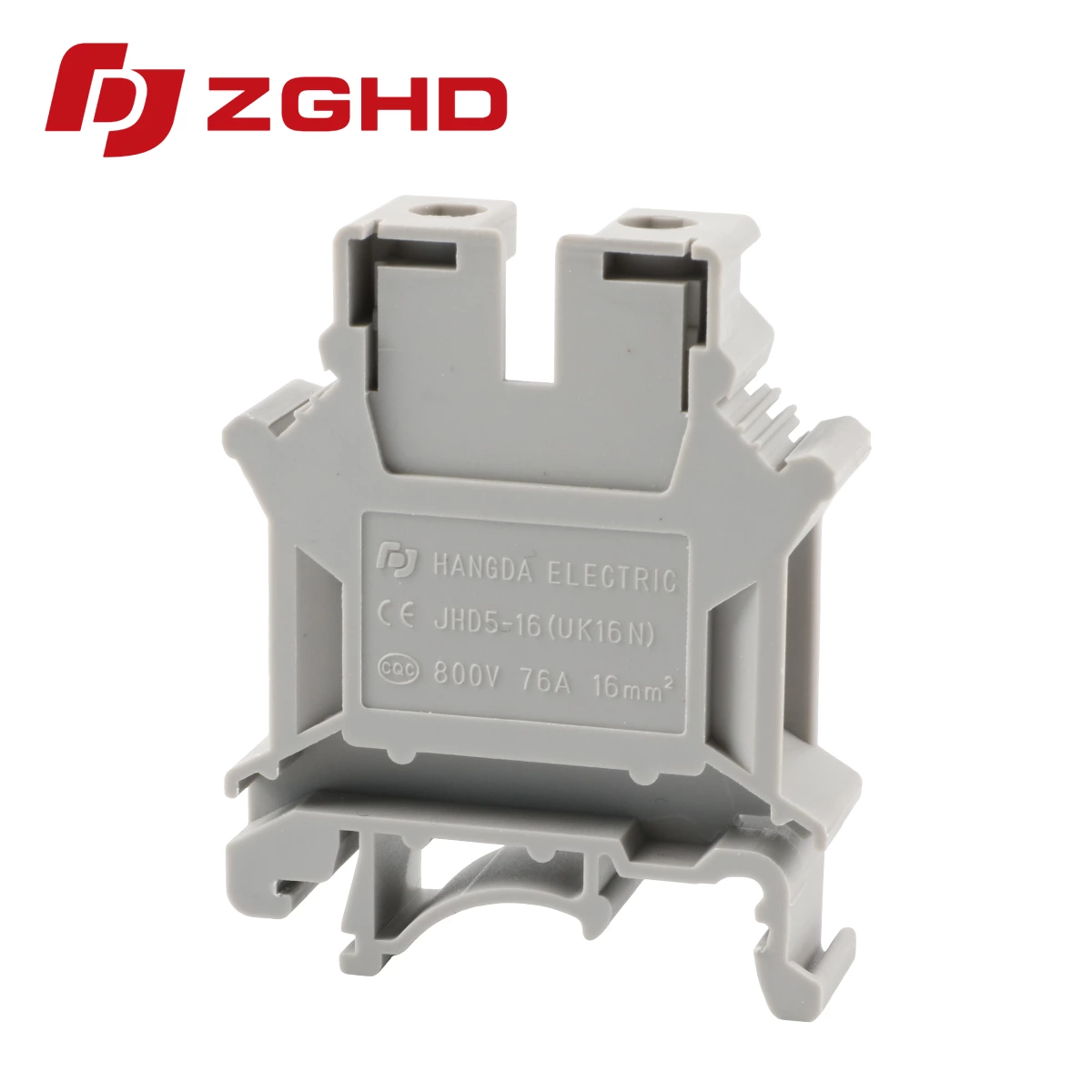
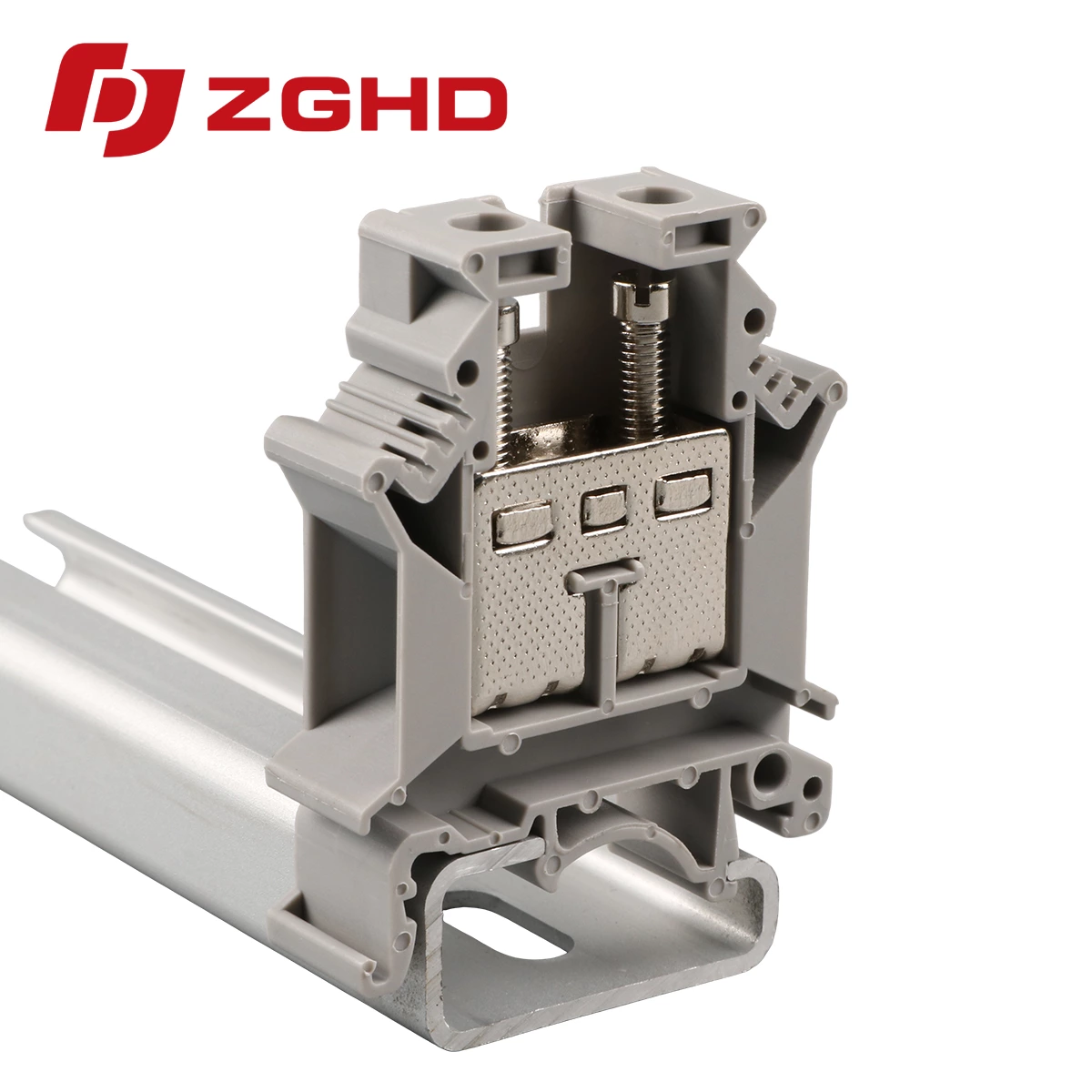
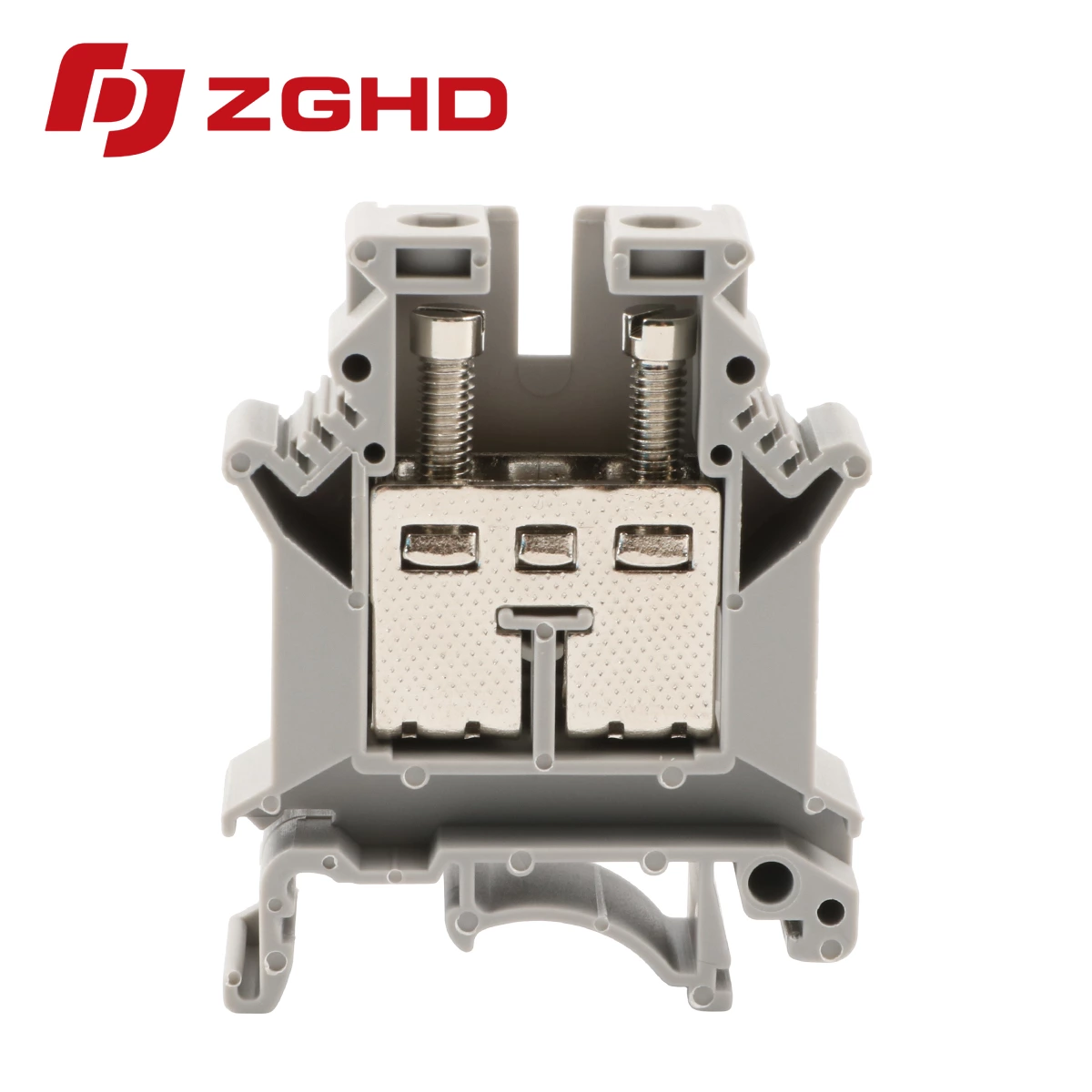
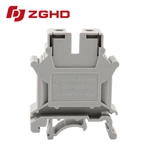
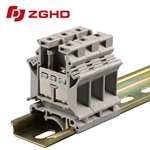
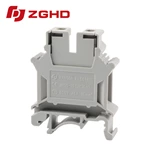
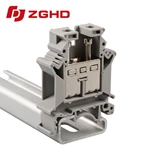
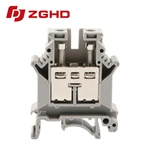
A screw type terminal block stays tight because its clamp locks into the screw threads after full conductor compression. Spring-effect clamp geometry, wedge ramp threads, and disc spring preload hold contact pressure across vibration and thermal cycles. No retightening is needed under normal conditions.
Three steps ensure a locked connection:
-
Tighten to specified torque.
-
Let the clamp lock mechanically.
-
Verify with a tug test and torque record.
Typical values: contact resistance below 20 milliohms, insulation resistance above 5000 megohms, torque 0.5–0.8 N·m for M3–M4 screws, standard IEC/EN 60947-7-1.
Why Screw Connections Lose Pressure
Vibration moves mating threads against each other and reduces preload. Thermal cycling adds expansion and contraction. Falling clamp force raises contact resistance, which creates heat. Heat and resistance feed each other, producing an intermittent fault. Standard tightening cannot fix this permanently.
| Failure Mode | Field Symptom | Root Cause | Detection |
|---|---|---|---|
| Vibration loosening | Torque drop | Thread movement | Torque recheck |
| Thermal cycling | Higher temperature | Preload loss | Thermal imaging |
| Fretting wear | Rising resistance | Micro-slip | Micro-ohmmeter |
| Oxidation | Voltage drop | Moisture and oxygen | Voltage drop test |
How the Self-Locking Clamp Engages
Spring-Effect Clamp
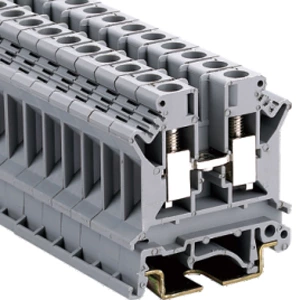
The clamp in a screw clamp terminal rises like an elevator as the screw turns. At full wire compression, the upper thread overlap springs open and locks into the screw threads. Locking is mechanical, not friction-based. Vibration cannot rotate the screw out.
Overlapping Tabs
Two overlapping tabs create a controlled locking-screw effect. The screw stays locked without retightening after installation. Thread engagement rises by about 30%, which lifts torque resistance and lowers the risk of stripped threads during field wiring.
Wedge Ramp Thread
A 30-degree wedge ramp at the root of the female thread fits standard metric screws. It resists vibration without extra safety parts. Vibration tests show it keeps up to 80% of original preload under dynamic transverse loading.
Belleville Washer Stack
Disc springs store elastic energy when compressed. In a screw clamp terminal block, these washers are stacked in parallel or series to match spring force and deflection to conductor size and torque spec. A stack can deliver several thousand pounds of force on the conductor.
Materials and Plating for Contact Stability
Hardened steel screws with zinc-dichromate plating resist corrosion. Copper alloy current bars with tin or nickel plating keep resistance low. A high-quality terminal block clamp specifies contact resistance below 20 milliohms and insulation resistance above 5000 megohms. Gas-tight contact excludes oxygen and moisture from the interface.
| Part | Material | Plating | Function |
|---|---|---|---|
| Screw | Hardened steel | Zinc-dichromate | Corrosion resistance |
| Current bar | Copper alloy | Tin or nickel | Low contact resistance |
| Clamp | Spring steel | Zinc | Mechanical locking |
| Housing | Flame-retardant plastic | None | Insulation and fixing |
Selection and Application
-
Choose 20% current margin above continuous load.
-
Match clamp range to conductor type.
-
Select plating and flame rating for the environment.
-
Confirm UL, IEC, and CE certifications.
-
Pick feed-through or fuse design for installation space.
Common uses include industrial control cabinets, solar combiner boxes, energy storage systems, rail transit, and marine electrical panels.
Field Checks for a Locked Connection
-
Tighten with a calibrated driver to specified torque.
-
Check that the clamp is fully seated.
-
Tug the conductor gently; a locked screw terminal fuse block shows no movement.
-
Measure contact resistance with a micro-ohmmeter.
-
Use thermal imaging to find abnormal temperature rise.
-
Record torque values and date.
FAQ
Q: Why do screw terminals loosen under vibration?
A: Vibration causes relative thread motion, which reduces preload force.
Q: How does a self-locking clamp prevent virtual contact?
A: It locks mechanically and keeps high contact pressure, so resistance stays low.
Q: Do screw clamp type terminals need retightening?
A: No, under normal conditions the locking mechanism holds preload.
Q: What torque is used for M3 and M4 screws?
A: Typical values are 0.5 to 0.8 N·m.
Q: When should a screw terminal fuse block be used?
A: It is used where overcurrent protection and a locked connection are both required.
| Model | Function | Wire IEC cross-section | Wire UL | Thickness | Maximum current | Number of packages | Thickness/Height( )/Width mm )/Width mm |
Rated voltage/rated current/rated cross-sectior |
| JHD5-16 | 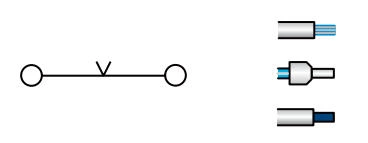 |
16 mm² 10 mm² 16 mm² |
4 AWG 8 AWG 4 AWG | 12.2 mm | 76 A | 50 | 12.2/54/42.5 | 800 V/76 A/16 mm² |
Specfication:
| End cover | D16 |
| Cross-connection 10-Polo,Separable | ZL2-16 ZL3-16 ZL10-16 |
| Insertion bridge 10-Polo,Separable | BLS2-16 BLS3-16 BLS10-16 |
| Partition plate | FP |
| Small Partition | CP |
| Marking tags | ZB10 |
| Screw/Tightening torque(Nm) | M4/1.2 |
| Material | PA |
| Flame retardant rating UL-94 | V0 |
| Dimensions | 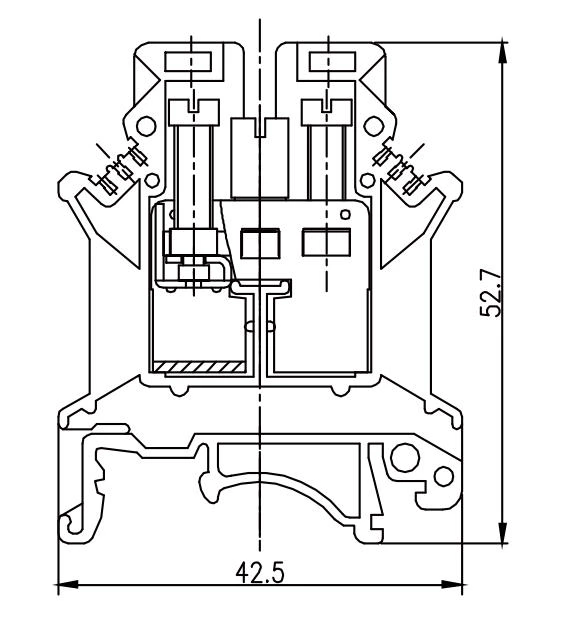 |
With universal mounting feet for standard top-hat(Ω profile) and G-profile DIN rail mounting.