Disconnect & Test Terminal Blocks Vs. Circuit Breakers: What “cut-off” Actually Means
- Type:
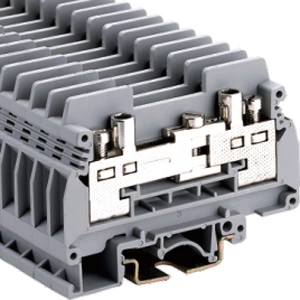
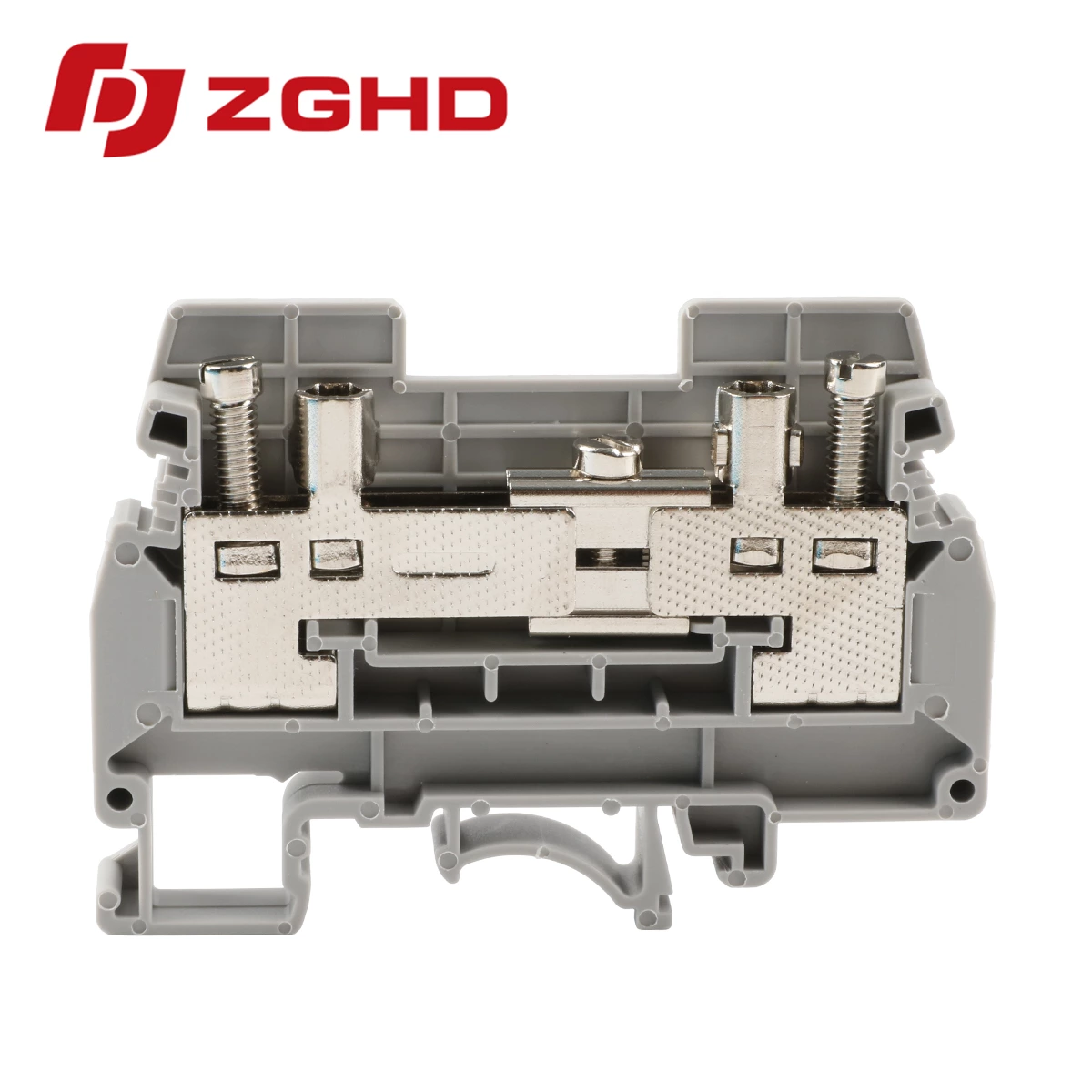
- Test disconnect terminal block, with two test sockets for 4 mm test plugs, or for receiving bridge bars or screw bridges
- Nominal Voltage:
- 400 V
- Nominal Current:
- 41 A
- Connection Method:
- Screw connection
- Rated Cross Section:
- 6 mm²
- Cross Section:
- 0.5 mm² - 10 mm²
- Color:
- gray
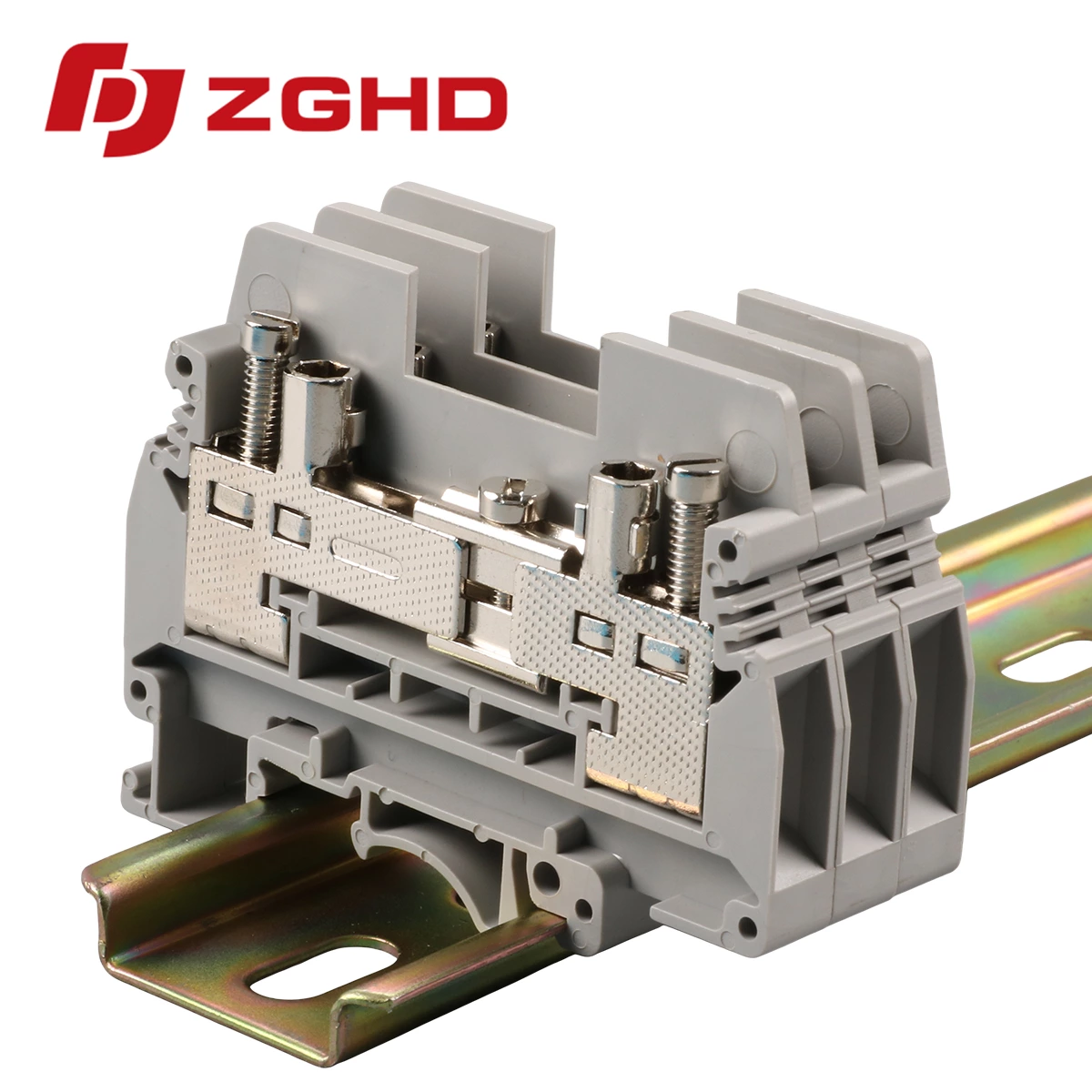
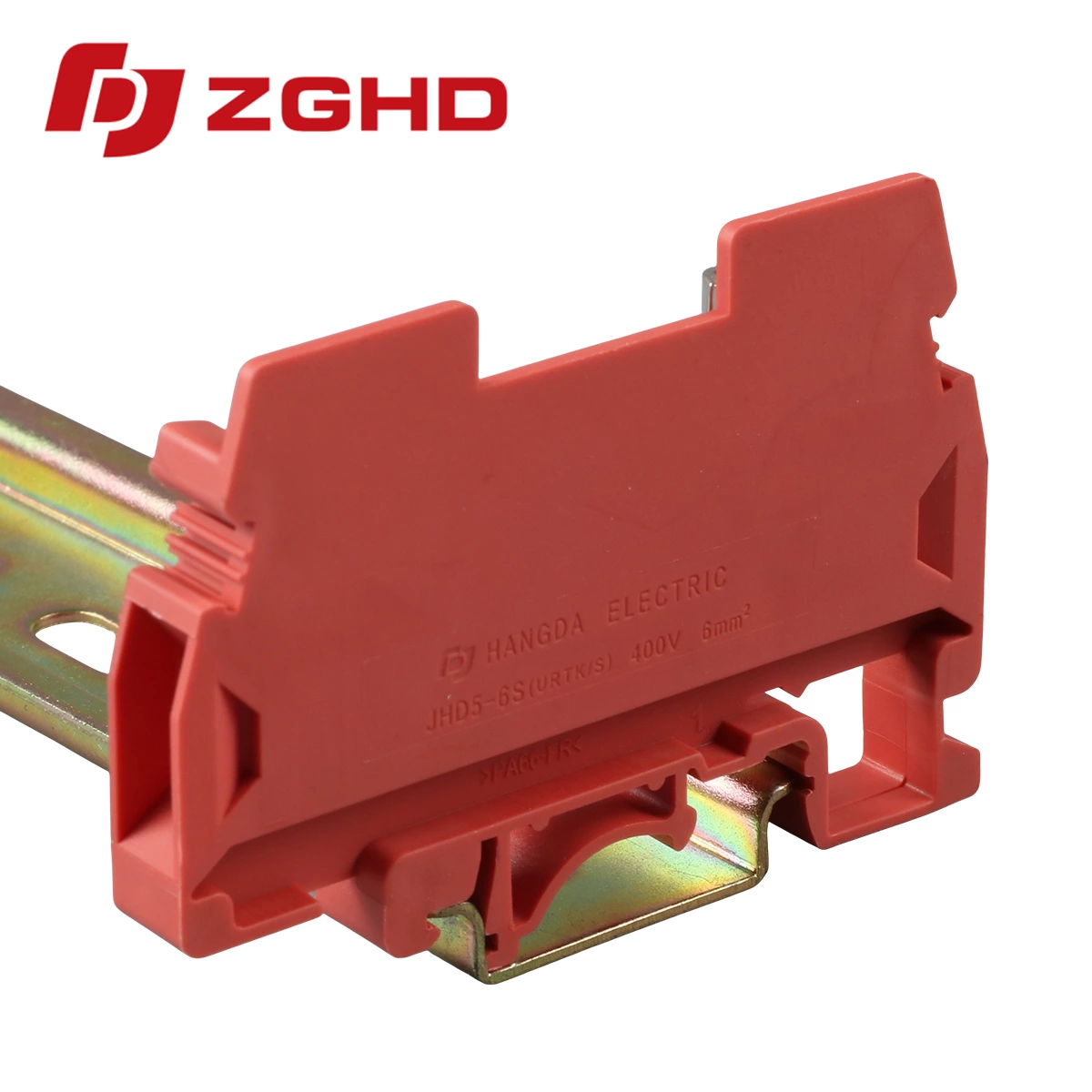
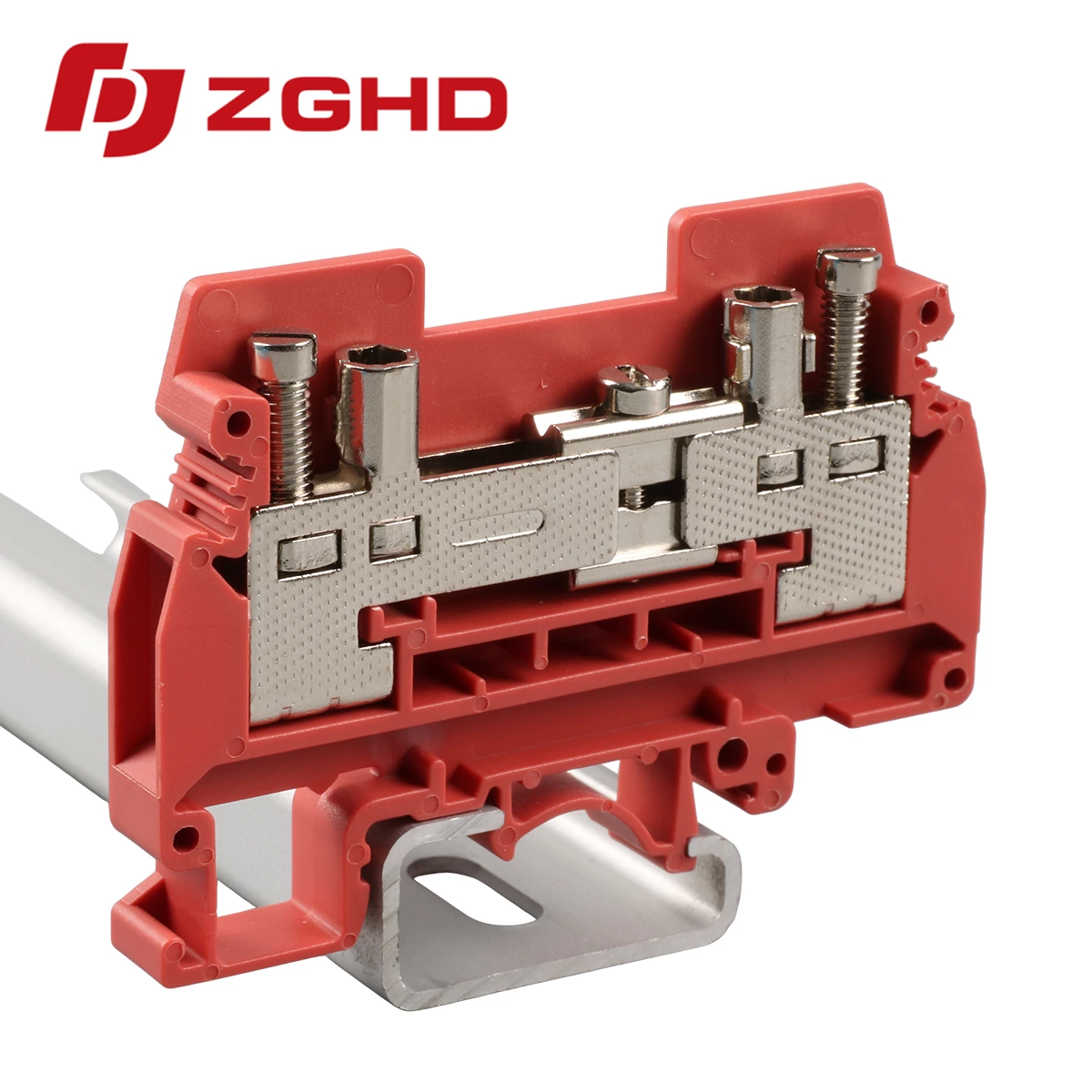
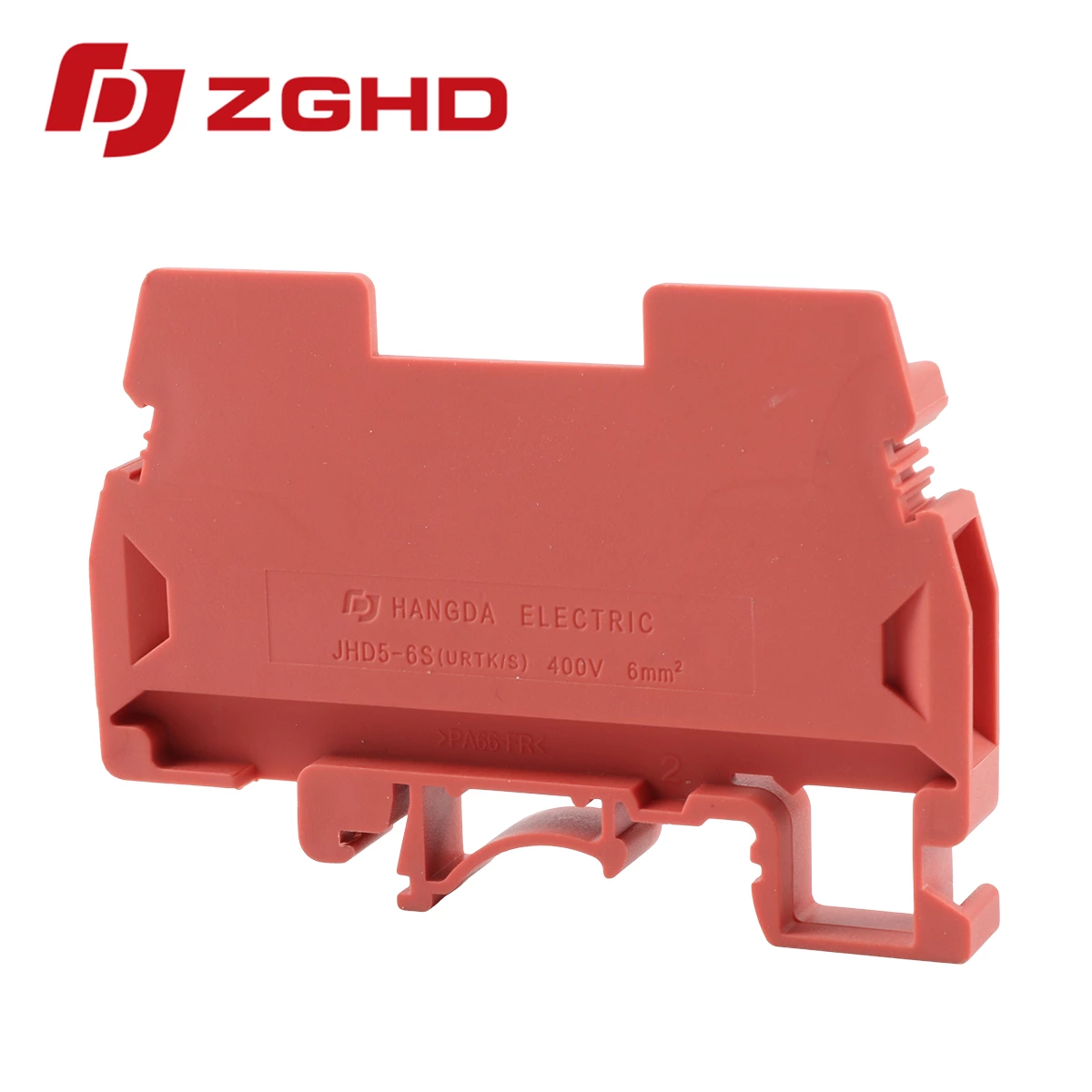
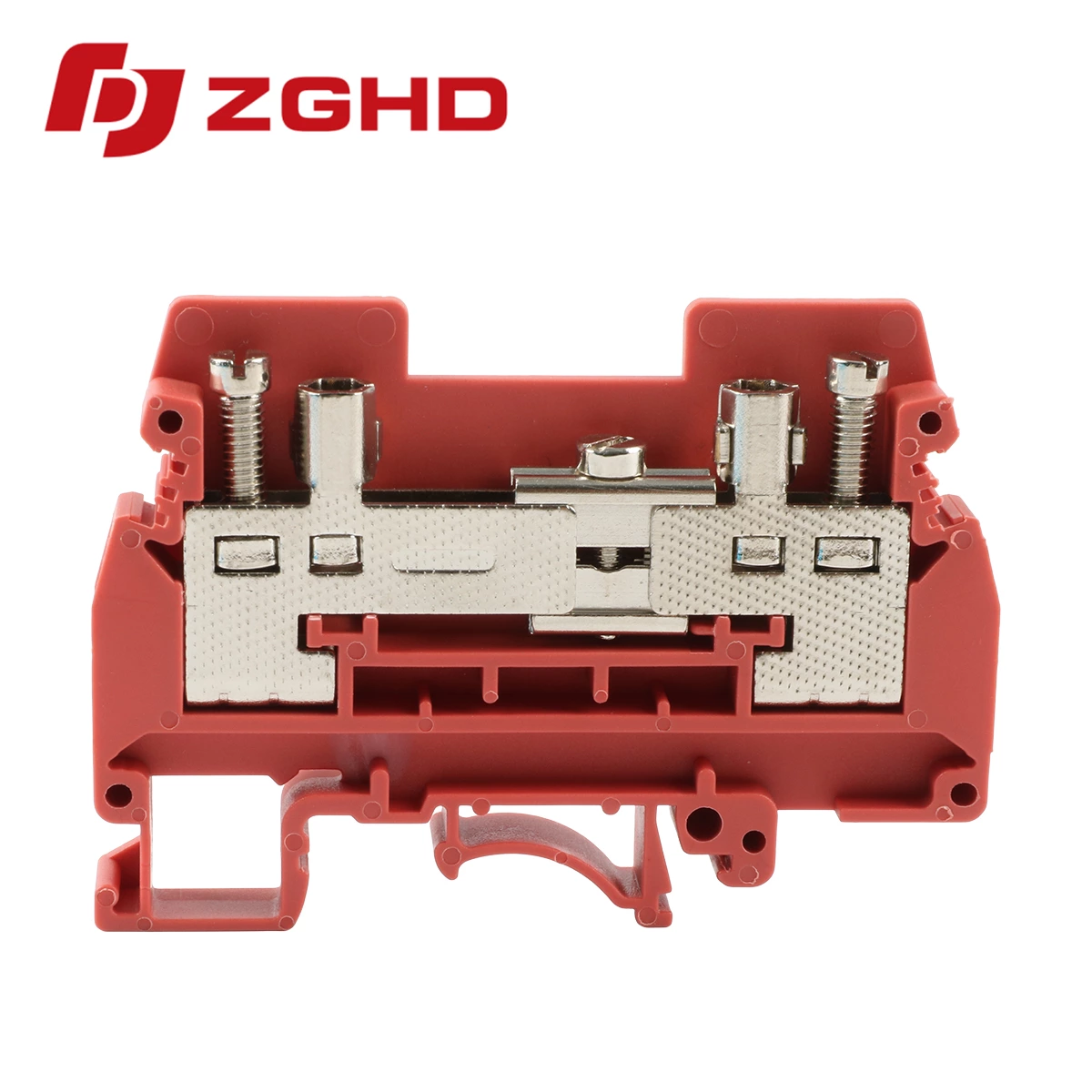
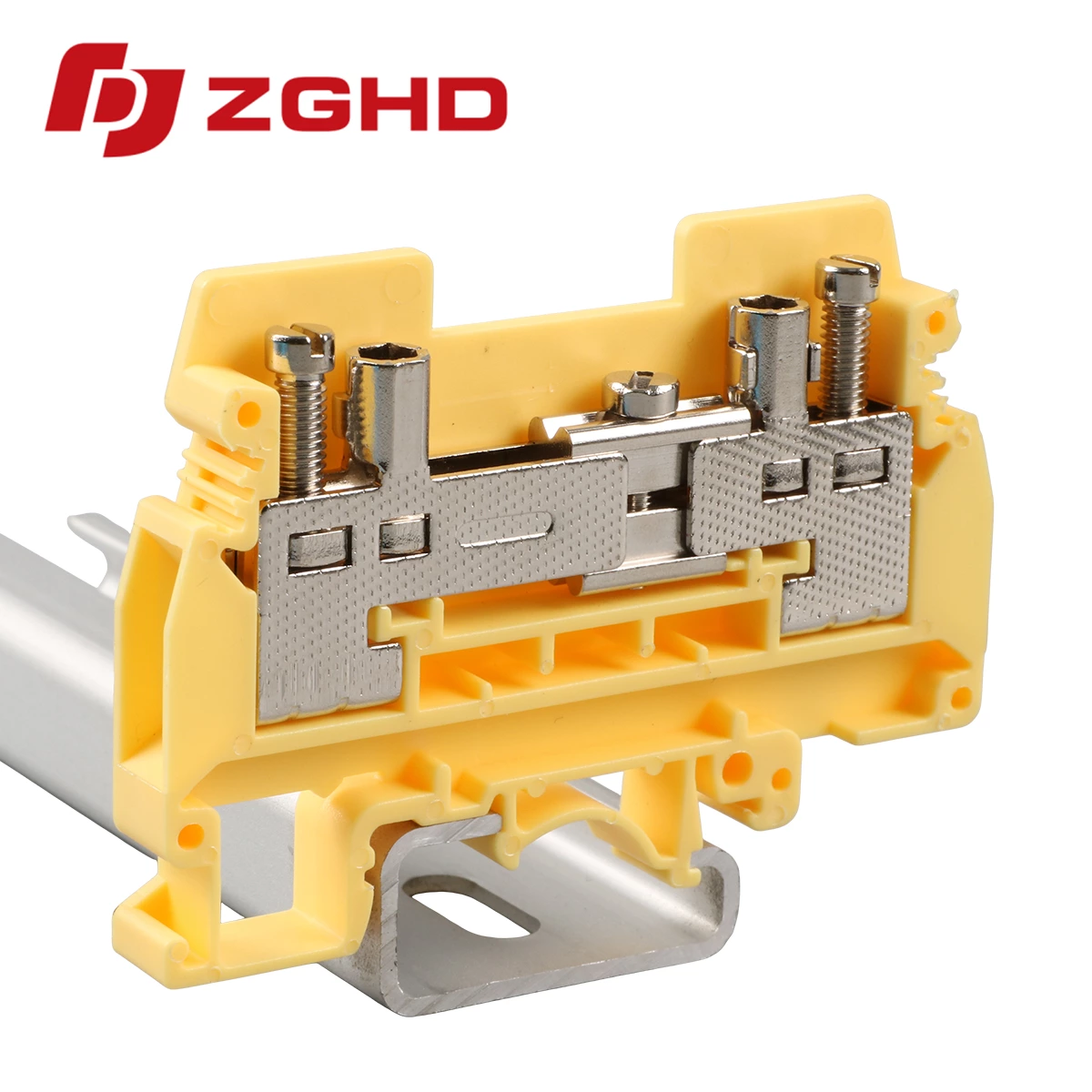
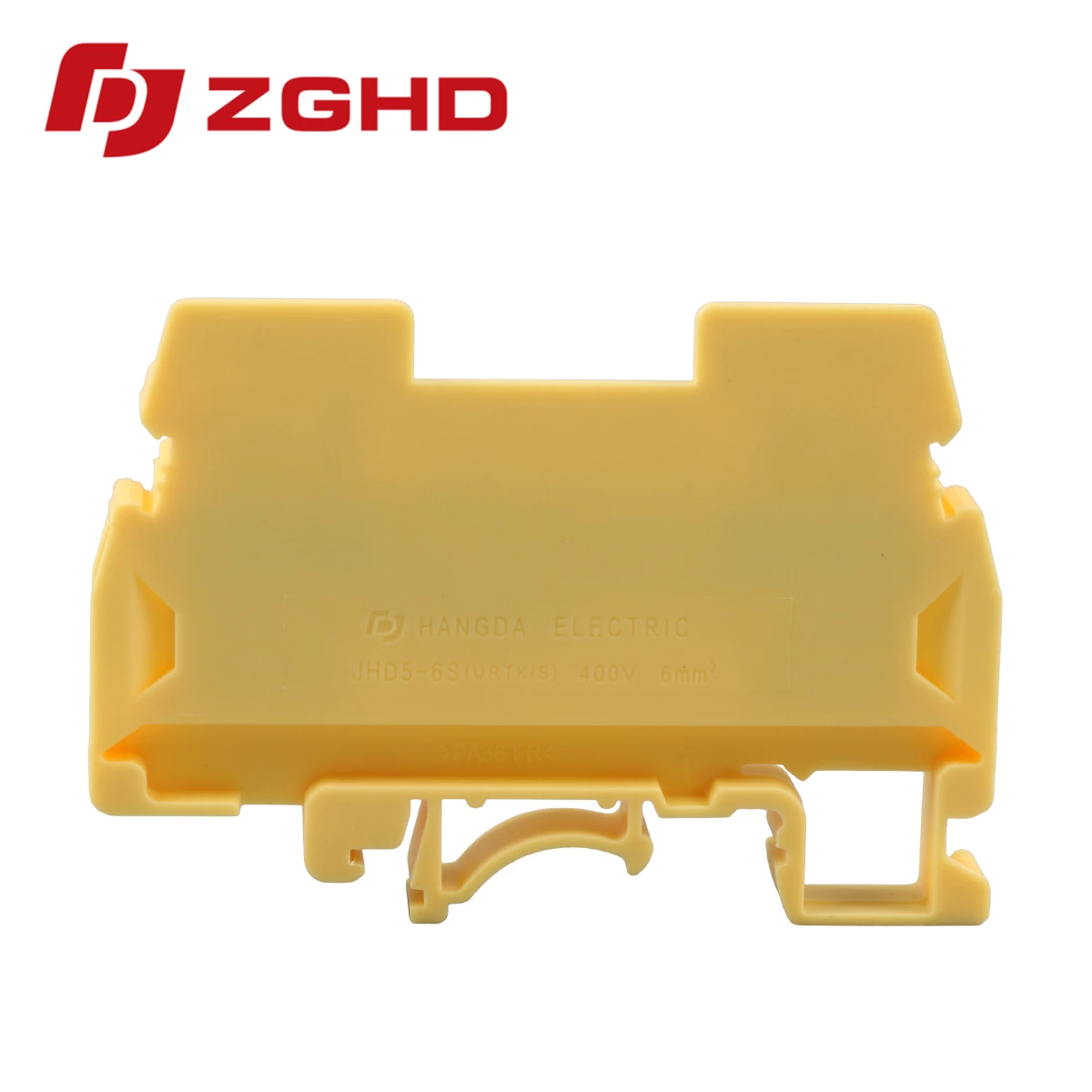
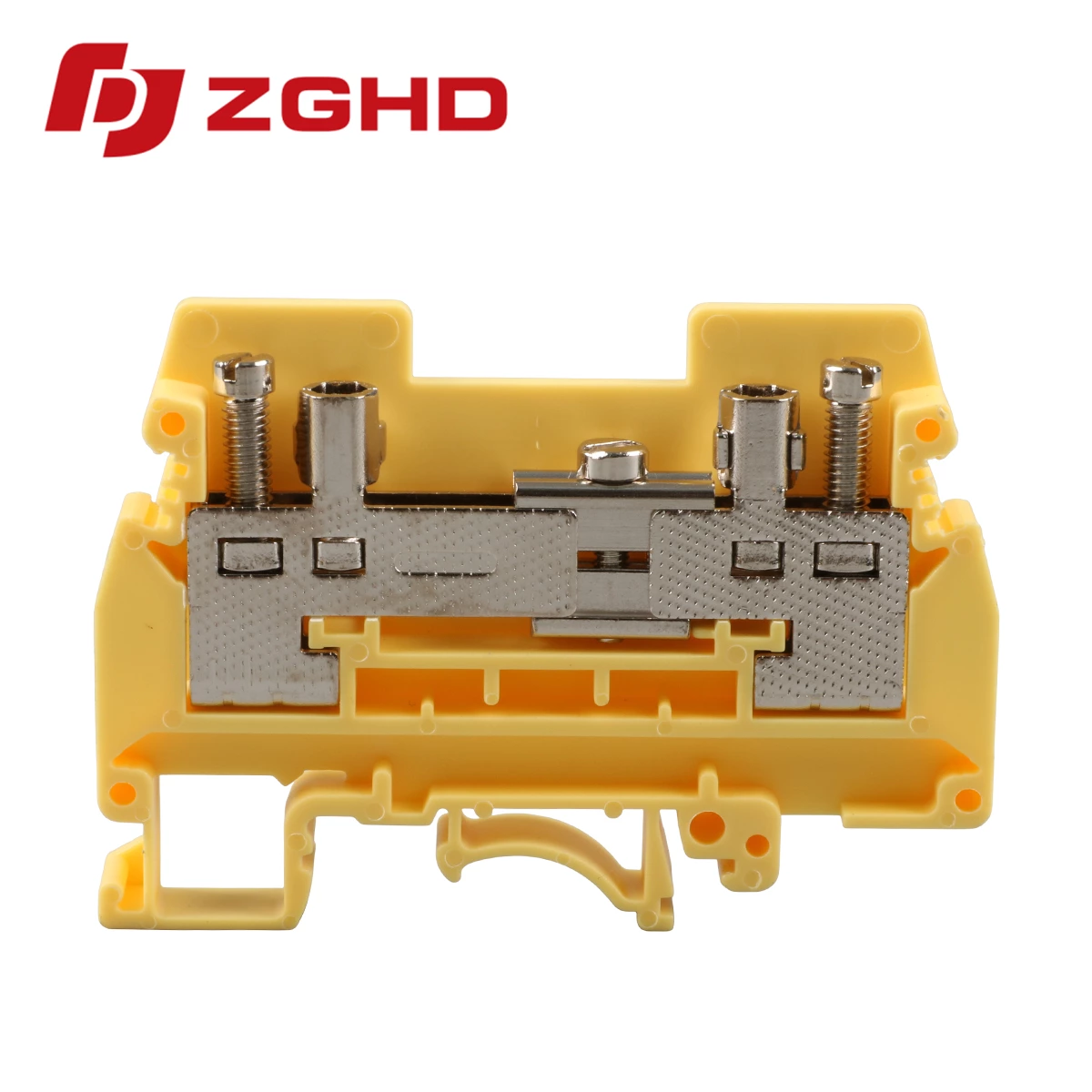
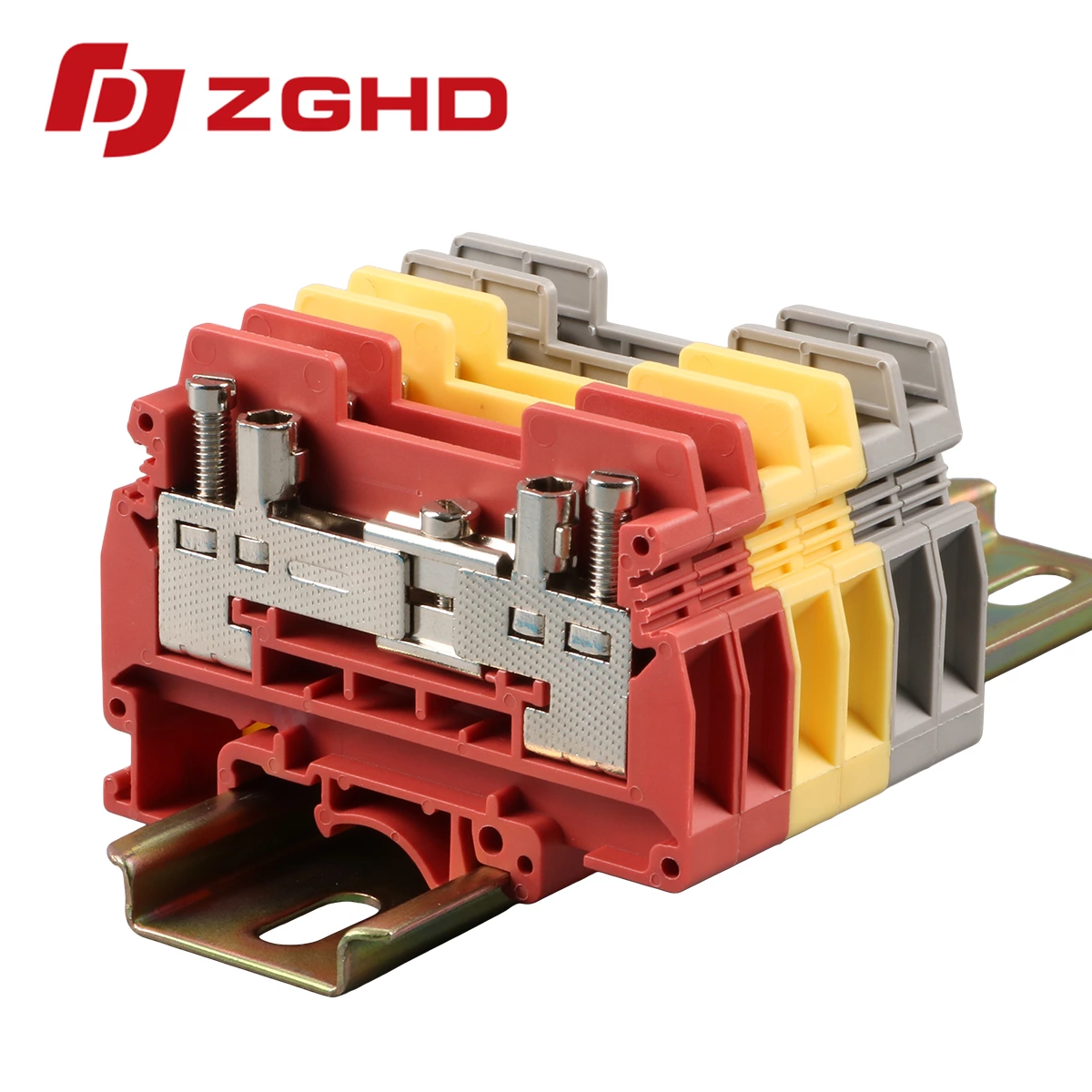
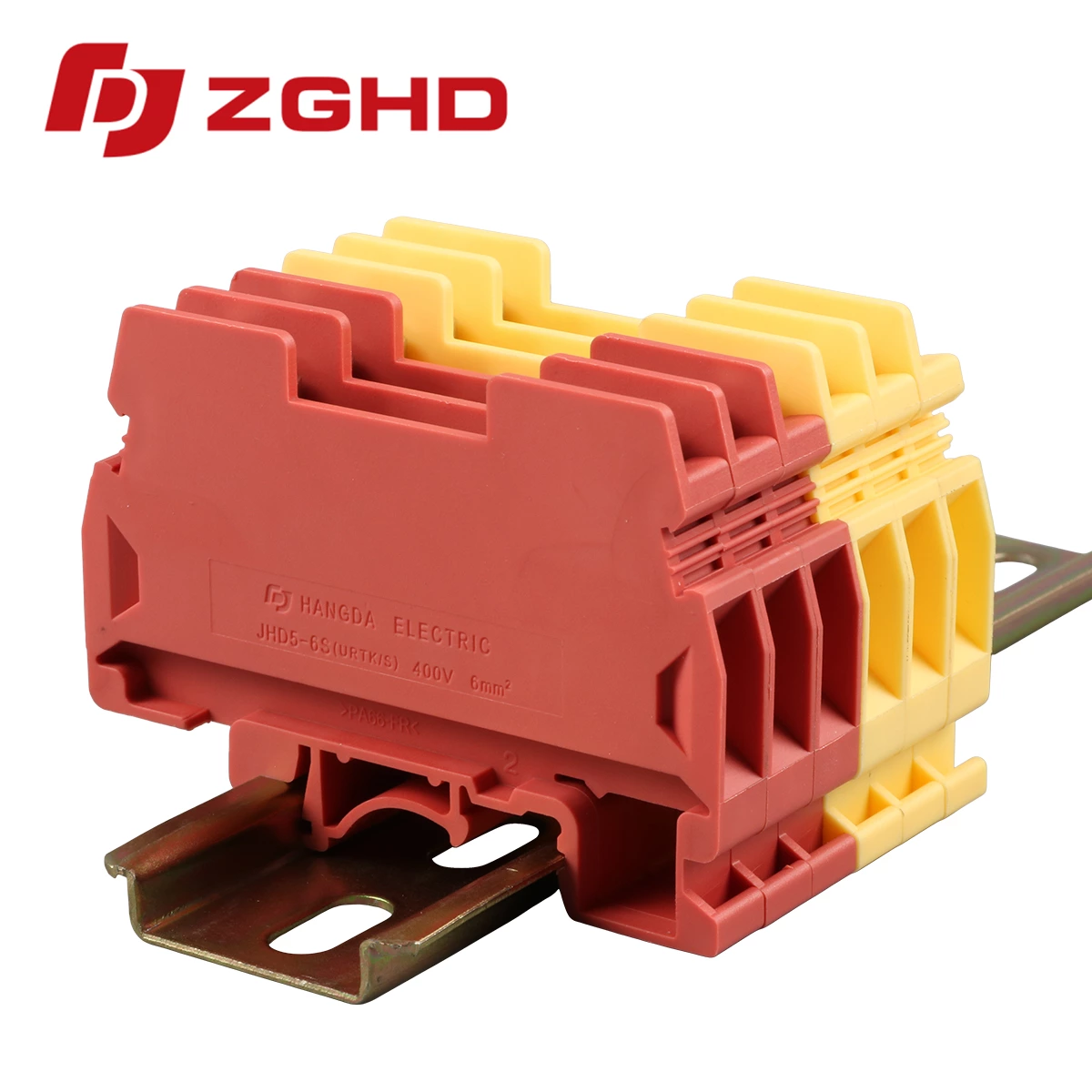
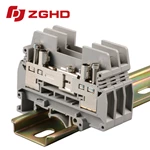
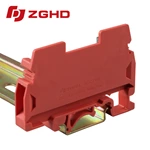
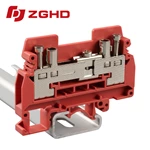
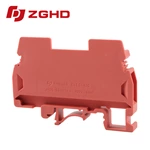
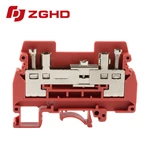
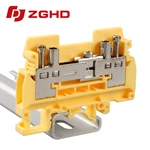
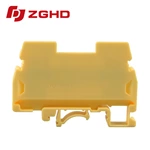
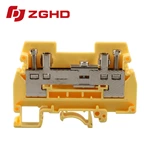
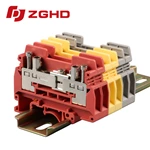
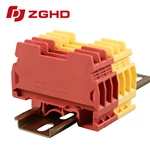
Disconnect & Test Terminal Blocks isolate a circuit by opening a knife lever or pulling a plug at the terminal level. They operate only at zero potential and no load. A circuit breaker breaks load and fault current through an arc chamber. The two devices are not interchangeable.
Why “Cut-Off” Appears in Terminal Block Descriptions
Product pages for a disconnect type terminal block use “cut-off” to describe physical separation of a conductive path. That wording is accurate for isolation. It does not mean the device can interrupt current. A quick disconnect terminal block separates signal lines during commissioning. The action happens after upstream power is removed. The distinction matters for safe panel work.
Three Engineering Differences
1. Arc Suppression
A circuit breaker contains an arc chute that splits and extinguishes plasma formed when contacts open under current. IEC 60947-2 governs this breaking capacity. A knife disconnect terminal block has no arc chamber. Opening the knife under load produces an uncontrolled arc, pits contact surfaces, and risks shock. IEC 60947-7-1 restricts these devices to de-energized operation.
2. Switching Conditions
A disconnect block is rated for isolation with no current flowing. A screwdriver actuates a captive lever knife to open or close the circuit. A circuit breaker makes, carries, and breaks currents under normal and fault conditions. Using a terminal block for load switching risks contact welding. Using a breaker for routine isolation adds mechanical wear to a protective component.
3. Design Intent
The disconnect block creates a repeatable test access point. Test sockets on either side of the break allow clamp-meter measurement without disturbing field wiring. The circuit breaker exists to interrupt fault current. Its contact system and trip mechanism are engineered for that purpose. One device isolates and tests; the other protects and breaks.
Comparison at a Glance
| Attribute | Terminal Block | Circuit Breaker |
|---|---|---|
| Operating condition | Zero potential, no load | Loaded and fault current |
| Arc suppression | None | Integrated arc chamber |
| Primary function | Isolation and test access | Overcurrent and fault protection |
| Actuation method | Screwdriver or lever | Toggle or motor operator |
| Governing standard | IEC 60947-7-1 | IEC 60947-2 |
| Return to service | Manual reclose after verification | Manual reset after trip |
Practical Selection Scenarios
-
A 4–20 mA signal loop uses a disconnect block to open the circuit, insert test probes, record the reading, and close the circuit. Upstream supply is already interrupted.
-
A 480 V motor feeder carrying 12 A requires a breaker or a load-break switch with a rated breaking capacity. A terminal block must not open under load.
-
During control panel maintenance, zero current is verified before a knife disconnect terminal block operates for local isolation.
-
For quick debugging, a quick disconnect terminal block separates signal wires without disturbing field wiring.
-
For fault protection, disconnect type terminal blocks cannot replace a breaker. They supplement upstream protection by providing a local isolation point.
What to Verify Before Specifying
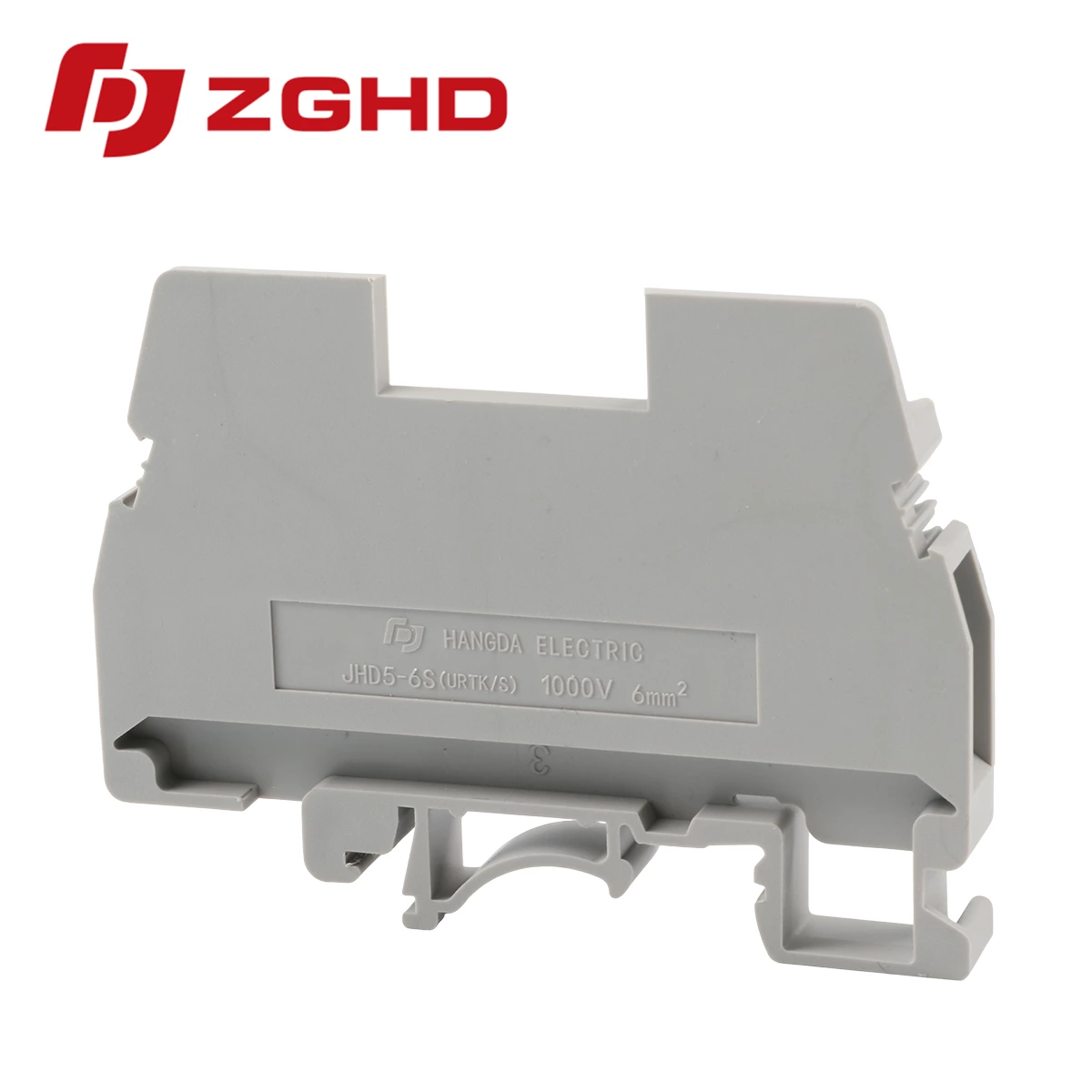
Check the rated voltage and current against the signal level. Confirm the terminal block carries the correct IEC 60947-7-1 classification. Match the connection method—screw, spring, or push-in—to the panel wiring standard. For example, a JHD5-6S test disconnect terminal block accepts 6 mm² wire and carries a rated voltage of 800 V. Verify the test socket diameter, stripping length, torque, and DIN rail mounting. A disconnect block must never substitute for a breaker in a fault-protection role.
FAQ
Q: Can a disconnect block replace a breaker for fault protection?
A: No. It lacks arc-quenching and fault-breaking capacity. It supplements upstream protection by providing a local isolation point.
Q: Why do datasheets use “cut-off” for terminal blocks?
A: The term describes physical separation of a conductive path. It does not imply load-breaking ability.
Q: What happens if the knife opens under load?
A: An arc forms across the gap, risking contact damage and operator injury. Zero current must be verified before actuation.
Q: Do quick disconnect terminal blocks isolate power circuits?
A: They isolate signal or control circuits at zero potential. They do not break power under load.
| Model | Function | Wire IEC cross-section | Wire UL | Thickness |
| JHD5-6S | 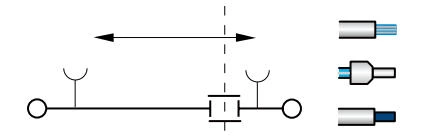 |
4 mm² 6 mm² 4 mm² |
10 AWG 12 AWG 10 AWG |
8.2 mm |
| Maximum current | Number of packages | Thickness/Height( )/Width mm )/Width mm |
Rated voltage/rated current/rated cross-sectior |
| 57A | 45 | 8.2/51.5/72 | 400 V/57 A/6 mm² |
Specfication:
| End cover | D6S |
| Cross-connection 10-Polo,Separable | ZL2-6S ZL3-6S ZL10-6S |
| Small Partition | CP6S |
| Marking tags | ZB8 |
| Screw/Tightening torque(Nm) | M4/1.2 |
| Material | PA |
| Flame retardant rating UL-94 | V0 |
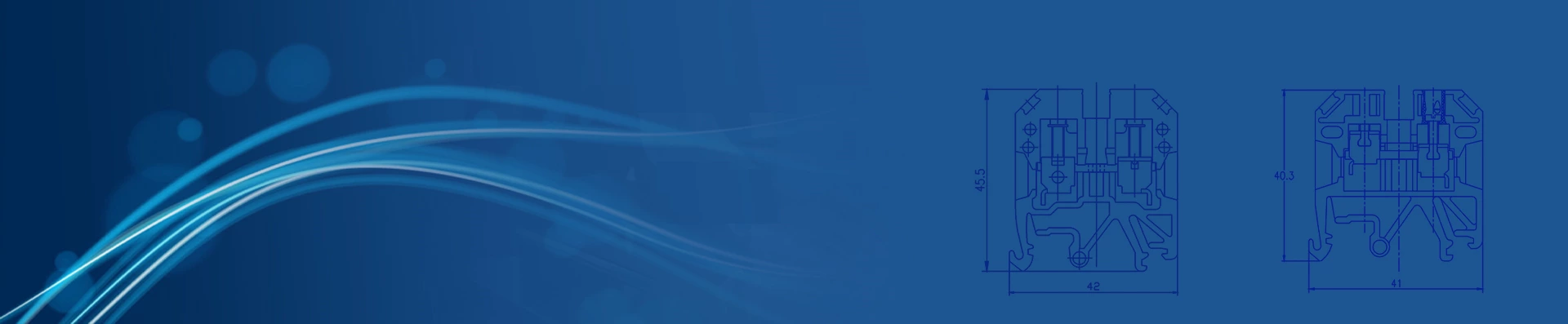
| Dimensions | 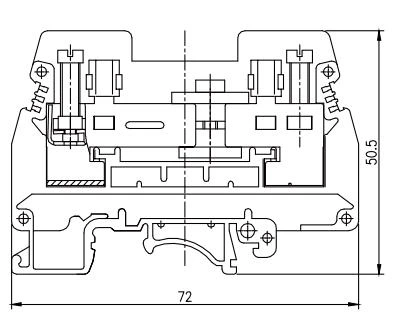 |
With universal mounting feet for standard top-hat(Ω profile) and G-profile DIN rail mounting.